Eucalyptus is a fast-growing, fragrant plant known for its attractive silver-green leaves and a variety of medicinal and ornamental uses. Whether you plant it in your garden or grow it indoors in a container, learning how to properly grow and care for eucalyptus can provide a beautiful and low-maintenance addition to your space. In this guide, we’ll tell you everything you need to know – from choosing the right eucalyptus variety to watering, pruning, and sunlight requirements. If you want to enjoy the beauty and benefits of eucalyptus all year round, follow these expert tips to ensure your plant can thrive in any environment. Learn How to Grow and Care for Eucalyptus?
Eucalyptus most often enters our homes as cut branches that we use to add a lovely scent to our homes. In nature, eucalyptus (Eucalyptus cinerea) is an evergreen tree that grows up to 60 feet tall in its native Australian habitat. (It is also a favorite food of koalas.) When planted in the home garden, it will grow to be 6 to 10 feet tall.
Eucalyptus is best planted in the spring and does not require any staking or other support structures. It has a rapid growth rate and can grow several feet per year. It has reddish-brown bark and silvery, blue-green leaves. The bark, leaves, and sap of eucalyptus trees are toxic to both humans and pets. Learm How to Grow and Care for Eucalyptus, growing eucalyptus in pots, how to grow eucalyptus indoors, how to grow eucalyptus from seed, how to care for eucalyptus stems?
Here are the main care requirements for growing eucalyptus:
Plant in well-draining soil with full sunlight.
Plant in a location with enough room for the tree to reach its full height and spread. (Multiple eucalyptus trees should be spaced at least 8 feet apart).
Prefers warm temperatures.
Collect mature leaves and branches toward the end of the growing season.
Light
Eucalyptus likes lots of light, so place your plant in a location that gets at least six hours of direct sunlight per day. Similarly, eucalyptus plants grown indoors should be placed near a bright window, preferably a south-facing window.
Soil
Eucalyptus can tolerate most types of soil, but it needs soil with good drainage. For potted plants, use a well-draining potting mix. A slightly acidic to neutral soil pH is best.
Water
Eucalyptus is somewhat drought tolerant once established. However, prolonged dryness may cause its leaves to drop. A good rule of thumb is to water when you can stick your finger into the soil and feel it dry with your fingertip.
Temperature and Humidity
Eucalyptus prefers warm temperatures between about 65°F and 75°F, and it prefers moderate humidity levels. It cannot survive temperatures below 50°F for long. So if you plant your plant in a container, bring it indoors when cold temperatures are expected.
Fertilizer
If you plant your plant in the ground, you usually won’t need fertilizer. However, potted plants will deplete their nutrients quickly. So fertilize them throughout the growing season with a low-nitrogen, indoor plant fertilizer, following the label directions.
Types of Eucalyptus
In addition to Eucalyptus cinerea, there are hundreds of other Eucalyptus species. These include:
- Eucalyptus globulus: Known as blue gum, this species has smooth bark and is particularly adaptable to a variety of growing conditions.
- Eucalyptus gunnii: Commonly known as cider gum, this species is more cold-tolerant than other Eucalyptus species.
- Eucalyptus platypus: Commonly known as murt, this is a particularly hardy species that can tolerate heavy soils, cold, and drought.
Understanding Eucalyptus
Eucalyptus is a diverse genus of flowering shrubs and herbs native to Australia, known for its rapid growth, fragrant foliage, and attractive silver-veined leaves. In recent years—including 2025—eucalyptus has gained worldwide fame for its ornamental and practical uses, making it a favorite among home gardeners, plant lovers, and interior decorators alike. With over seven hundred species, eucalyptus provides options for outdoor landscapes and indoor container cultivation.
Some of the most popular varieties include Eucalyptus globulus (blue gum), Eucalyptus cinerea (silver dollar), and Eucalyptus gunnii (cedar gum), both of which offer unique growth habits and leaf shapes. Whether you plant it for visual appeal, herbal air purification, or craft purposes, understanding the characteristics and care requirements of eucalyptus is the first step to success.
Selecting the right eucalyptus variety is critical for a success increase, whether you’re planting in a lawn, pot, or indoor area. With hundreds of species to be had, it’s vital to don’t forget your weather, space, and purpose. Some eucalyptus varieties thrive outdoors in warm areas, even as others are extra applicable for box gardening or indoor use. Study How to Grow and Care for Eucalyptus, growing eucalyptus in pots, how to grow eucalyptus indoors, how to grow eucalyptus from seed, how to care for eucalyptus stems?
Best Varieties for Home Gardeners:
Eucalyptus cinerea (Silver Dollar Eucalyptus): Popular for its spherical, silvery-blue leaves, ideal for floral arrangements and indoor décor.
Eucalyptus gunnii (Cider Gum): Cold-hardy and nicely-desirable to temperate climates; first rate for small gardens.
Eucalyptus globulus (Blue Gum): Fast-growing and tall, ideal for huge out of doors spaces in warm climates.
Eucalyptus pulverulenta: Compact, bushy, and ornamental—super for pots and small landscapes.
Key Selection Tips:
Climate Compatibility: Match the range along with your USDA region or neighborhood weather.
Space Considerations: Choose dwarf or sluggish-developing sorts for packing containers or constrained backyard space.
Purpose: Consider why you’re growing it—aromatherapy, cut stems, decorative splendor, or shade.
Picking the proper eucalyptus ensures wholesome growth and makes ongoing care lots simpler.
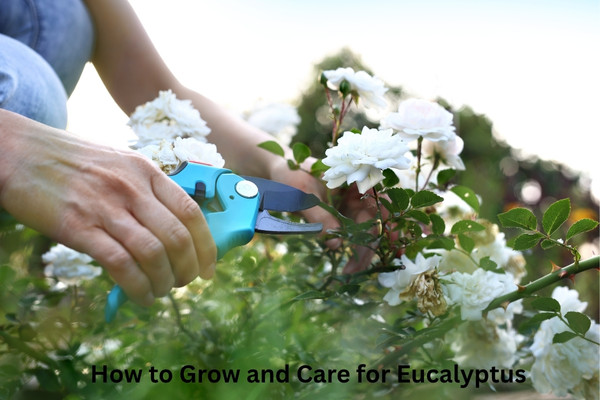
Regular pruning and simple protection preserve eucalyptus timber healthy, appealing, and beneath control—specially important for fast-growing types and potted plant life. Whether you’re growing eucalyptus for ornamental purposes, foliage harvest, or to control length, a smart pruning habitual facilitates form the plant and promote fuller boom. Learm How to Grow and Care for Eucalyptus, growing eucalyptus in pots, how to grow eucalyptus indoors, how to grow eucalyptus from seed, how to care for eucalyptus stems?
Why Prune Eucalyptus?
Encourages bushier boom and greater leaf production
Controls peak and form, especially in small gardens or boxes
Removes dead, broken, or diseased branches
Helps enhance air movement and reduce pest dangers
When to Prune:
Late wintry weather to early spring is ideal—just earlier than new increase begins.
Light pruning can be performed at some stage in the growing season for form and fitness.
Avoid heavy pruning in fall, that may stress the plant earlier than winter.
How to Prune:
Use clean, sharp tools to prevent infection.
Cut just above a leaf node or bud to encourage new branching.
Remove weak, crossing, or overcrowded branches to open up the structure.
For potted or smaller plants, trim back leggy stems to encourage compact growth.
Maintenance Tips:
Mulch around outdoor trees to retain moisture and suppress weeds.
Check regularly for pests like psyllids or scale insects.
Re-pot container plants every 1–2 years as roots expand.
Monitor leaf color—pale or yellowing leaves may signal nutrient imbalance or watering issues.
Pruning not only keeps your eucalyptus manageable and beautiful but also supports long-term health and resilience.
Pest and Disease Management for Eucalyptus
Although eucalyptus is generally hardy and coffee-upkeep, it could nevertheless be affected by certain pests and illnesses—especially in humid or poorly ventilated environments. Early detection and proper care are key to retaining your eucalyptus tree or plant wholesome and thriving.
Psyllids (Lerp Insects):
Tiny sap-sucking insects that depart a sticky, sugary coating (lerp) on leaves.
Signs: Leaf curling, yellowing, sticky residue.
Solution: Prune inflamed leaves and use insecticidal soap or neem oil.
Eucalyptus Gall Wasps:
Cause bizarre growths or “galls” on stems and leaves.
Signs: Swollen lumps or nodules.
Solution: Prune affected areas; introduce natural predators if viable.
Aphids:
Common in younger eucalyptus plants and new shoots.
Signs: Sticky honeydew, yellowing leaves, stunted boom.
Solution: Blast with water, observe neem oil, or introduce ladybugs.
Scale Insects:
Small, round insects that hold to stems and suck sap.
Signs: Yellow leaves, sticky residue, black sooty mold.
Solution: Scrape off manually or deal with with horticultural oil.
Common Eucalyptus Diseases:
Root Rot (Phytophthora):
Caused by way of overwatering or bad drainage.
Signs: Wilting, root decay, slow growth.
Solution: Improve drainage, reduce watering, and put off affected roots.
Powdery Mildew:
A fungal ailment that flourishes in humid conditions.
Signs: White, powdery coating on leaves.
Solution: Increase airflow, keep away from overhead watering, and follow fungicide.
Leaf Spot:
Fungal or bacterial infection main to brown or black spots on leaves.
Signs: Discolored or losing leaves.
Solution: Prune inflamed foliage and enhance air move.
Prevention Tips:
Water well: Avoid overwatering and allow soil to dry among watering.
Ensure properly air flow, specially for indoor or densely planted trees.
Inspect frequently to trap problems early.
Sanitize gear after pruning to save you disorder spread.
Proper pest and disorder control will assist your eucalyptus plant remain vibrant, pest-free, and long-dwelling.
Eucalyptus trees are usually grown from purchased seeds or nursery stock, but they can also be propagated by cuttings. The best time to take cuttings is when a plant is between 2 and 12 months old; Mature stem cuttings are difficult to root. Aim for late summer to take your cuttings. Here’s how to grow eucalyptus from cuttings:
01 Fill a small pot with a 3-1 mixture of composted tree bark and perlite and add a slow-release fertilizer. Moisten the soil.
02 Cut a stem about 5 inches long with four to eight leaves. Cut just above a leaf node.
03 Remove the leaves from the bottom half of the cutting.
04 Dip the cut end in a rooting hormone, and then plant it about halfway up the growth where the leaves are.
05 Place the pot in a room with bright, indirect light at about 70°F.
06 Keep the soil lightly moist. Roots should form in about a month.
07 Once roots have formed, move the plant to a sunny location and provide a place to water.
How to Grow Eucalyptus from Seed
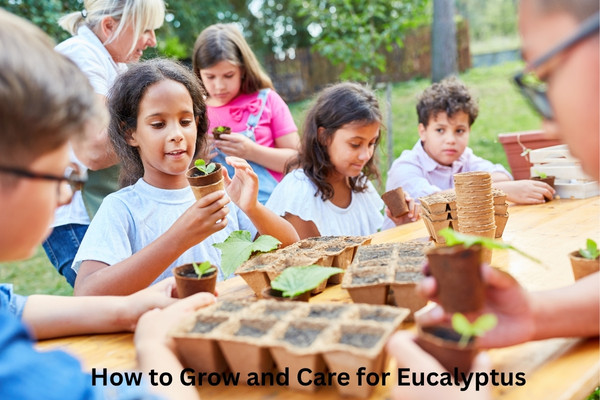
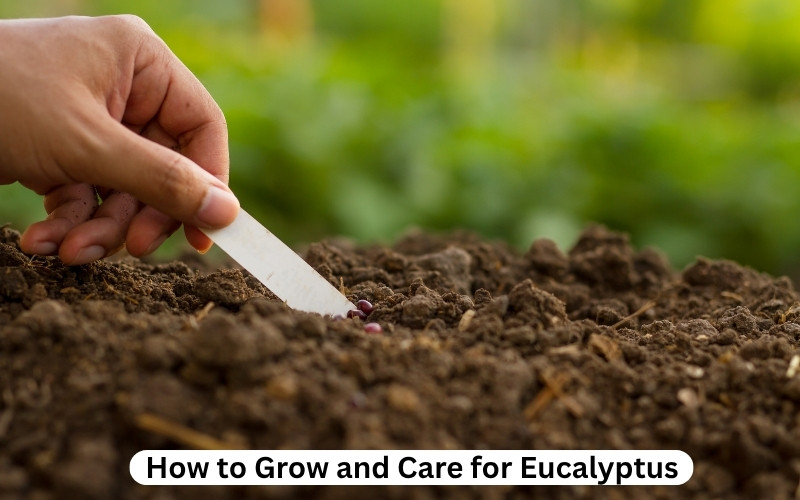
When considering how to grow eucalyptus from seed, keep in mind that the seeds will need to be refrigerated for two months before planting. Sow them in late winter, about 10 to 12 weeks before your area’s last projected frost date. Use a seed-starting mix in peat pots that you will eventually be able to plant directly into the ground without disturbing the roots. To Know How to Grow and Care for Eucalyptus, growing eucalyptus in pots, how to grow eucalyptus indoors, how to grow eucalyptus from seed, how to care for eucalyptus stems?
01 Sow the seeds on top of the growing medium, covering them only lightly.
02 Place the pots in a warm spot with indirect bright light and keep the growing medium moist but never soggy by misting it.
03 The seeds should germinate in two to three weeks. Once the seedlings are about 6 inches tall, they are ready to go outside.
Overwintering
If you are growing a eucalyptus plant in a container outside its hardiness zone, you must bring it indoors to survive the winter. Do not allow your plant to be exposed to frost, which can damage or kill the leaves. Place it near your bright window for the winter, preferably a south-facing one. Do not fertilize the plant, and cut back on watering slightly.
Harvesting Eucalyptus Leaves
It is best to wait until the end of the growing season to harvest eucalyptus. If you only want the leaves, simply pluck them with pruners or by hand. Dry them on a paper towel or drying screen in a cool place out of direct sunlight. Wait until the leaves are slightly leathery or crisp, and then store them in a glass jar with a tightly sealed lid.
Eucalyptus plants are fairly free of any major pest or disease problems. But you may occasionally see eucalyptus long-horned borers, especially on stressed trees. Bark holes, sap oozing, and leaf discoloration are signs of an infestation. Remove the infected area of the tree immediately, as pesticides are not effective against the insects.
Eucalyptus can be prone to leaf spot, which can turn black on the underside of the leaves and brown on the top; cankers; and root rot. The trees are also susceptible to heart rot, which is when the center of the tree begins to rot and decay, extending to the branches. Once heart rot occurs, it is impossible to save the tree because the fungus weakens and softens the inside, causing permanent damage. The tree will need to be removed.
Common Mistakes to Avoid When Growing Eucalyptus
Growing eucalyptus can be straightforward, however heading off these not unusual pitfalls will save you time, frustration, and make certain your plant thrives:
1. Overwatering
Eucalyptus prefers properly-tired soil and may go through root rot if the soil stays soggy.
Avoid watering too regularly—permit the topsoil dry out among waterings, specially for mature plant life.
2. Choosing the Wrong Variety for Your Climate
Some eucalyptus species grow pleasant in warm, temperate climates, at the same time as others tolerate bloodless better.
Planting a warmth-loving variety in a cold region (or vice versa) frequently ends in bad boom or plant loss.
3. Ignoring Sunlight Needs
Most eucalyptus require full sun (at least 6 hours day by day).
Growing them in shaded or low-mild regions results in leggy, susceptible flowers with sparse foliage.
4. Neglecting Pruning
Without regular pruning, eucalyptus can become overgrown, leggy, or top-heavy.
Pruning promotes fuller increase, more healthy branches, and forestalls structural troubles.
5. Planting in Poor Soil
Heavy clay or compacted soil can cause drainage troubles and stunt growth.
Amend soil with natural count number or pick out a well-draining potting blend for containers.
6. Over-Fertilizing
Too plenty fertilizer, in particular nitrogen-wealthy sorts, can motive excessive, vulnerable boom.
Follow endorsed feeding schedules and amounts to keep away from nutrient imbalances.
7. Failing to Monitor for Pests and Diseases
Early signs of pest infestations or fungal diseases are clean to miss.
Regularly look into your eucalyptus and take set off motion to manipulate issues.
By steerage clear of those mistakes, you’ll provide your eucalyptus the satisfactory threat to grow strong, wholesome, and delightful.
Common Problems with Eucalyptus
Eucalyptus trees are relatively healthy in their preferred environment. However, in suboptimal conditions, they can develop some problems.
Browning Leaves
Eucalyptus tree leaves turning brown can be a sign of too little moisture. If you see that the leaves are curling or dropping, this is probably a problem. In that case, start watering your tree to keep the soil lightly moist but not soggy. Brown leaves can also be a sign of disease, especially fungal diseases. If only a small area is affected, remove that area quickly. Or treat with an appropriate fungicide.
Falling Branches
Due to their potential size and height, eucalyptus trees can become very heavy, causing their branches to fall or break.
Conclusion: How to Grow and Care for Eucalyptus
Growing eucalyptus is a rewarding experience that adds beauty, fragrance, and versatility in your lawn or indoor space. By deciding on the right range, providing ideal growing conditions, and following essential care guidelines—including proper watering, fertilizing, and pruning—you can enjoy healthful, thriving eucalyptus plants 12 months-spherical. Remember to observe for pests and illnesses, and alter your care habitual based totally for your plant’s needs and environment.
Acquire to How to Grow and Care for Eucalyptus, growing eucalyptus in pots, how to grow eucalyptus indoors, how to grow eucalyptus from seed, how to care for eucalyptus stems?Whether you’re a newbie or an experienced gardener, those expert suggestions will help you correctly develop and hold eucalyptus in 2025 and beyond. Start your eucalyptus journey these days and revel in the natural allure this iconic plant brings to your private home.
FAQ
How difficult is it to grow eucalyptus?
Eucalyptus trees are easy to plant and should settle in quickly, especially if you buy smaller specimens up to 1m (3⅓ft) tall.
Where is the best place to put eucalyptus?
The ideal location for your potted Eucalyptus would be in a sunny position, where it is easy for you to water on a regular basis.
What are the cons of growing eucalyptus?
Environmental groups are concerned about the negative effects of Eucalyptus trees on the environment. These difficulties include high transpiration rates, declining soil fertility, incompatibility with the preservation of biodiversity, and allopathic impacts of Eucalyptus spp.
Why should you not plant eucalyptus?
Even though they’re not invasive, eucalyptus trees outside of their natural environment can compete with native plants for resources, throwing off the ecological balance. They also are toxic both to humans and pets.1
Eucalyptus cinerea. NC State Extension.
How do you care for eucalyptus indoors?
If growing eucalyptus indoors, make sure to provide your plant with plenty of bright, direct sunlight. Keep your house between 65°F and 75°F and ensure your plant is placed in a location that gets plenty of airflow. After the growing season, you can prune your plant back to maintain the right size for your space.