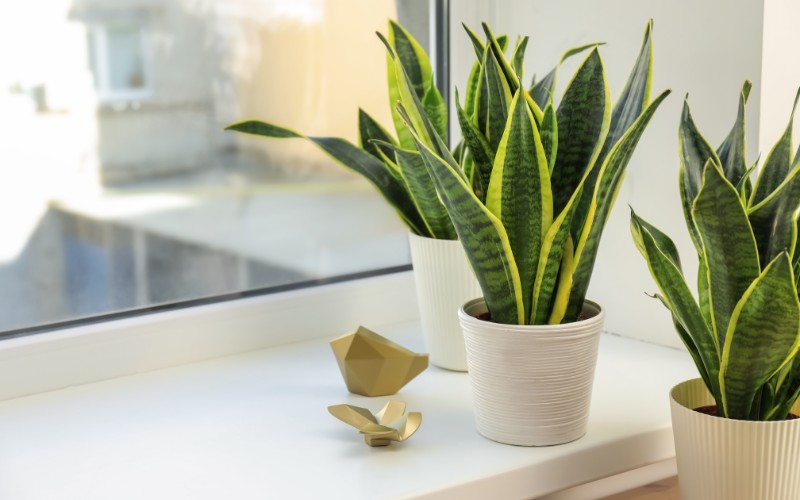
Golden bamboo (Phyllostachys aurea) is a fast-growing, attractive plant that adds beauty and privacy to gardens, landscapes, and indoor spaces. But to keep its lush, golden-green canes thriving and in check, proper care is essential. Learn Golden Bamboo Care. Whether you’re new to bamboo or looking to improve your gardening skills, this expert care guide will walk you through everything you need to know, from soil choice and watering routines to pruning, control, and pest prevention. Discover pro-level tips that will ensure your golden bamboo stays healthy, vibrant, and visually stunning all year long.
Golden bamboo (Phyllostachys aurea) is one of the few bamboo plants that can be grown indoors. Most bamboos need plenty of sun and humidity to thrive, which isn’t easy to achieve for indoor plants. Many people confuse the “lucky bamboo” plant (Dracaena species), a small bamboo-like plant that grows in water, with the easy-to-grow indoor bamboo plant, but it is not a bamboo plant. Learn Golden Bamboo Care, is golden bamboo invasive, golden bamboo in pots, golden bamboo growth rate and golden bamboo indoor plant.
There are over 1,000 species of bamboo plants, and several tower 50 feet or more in the wild. Golden bamboo is a true bamboo with bright green upright canes that turn golden with age and sunlight. It has narrow, spear-like leaves that grow in clusters on short cane stems.
Golden bamboo grows quickly and spreads easily. It is best planted in spring or early fall, although indoors, you can usually plant it any time of year. Bamboo is kept in containers and is more manageable. Indoors, it does not grow as large, usually about 5 to 8 feet tall.

This plant can be grown indoors, but it is not easy to grow bamboo indoors. To successfully grow bamboo indoors, you need a sturdy container and adequate light and humidity. Bamboo needs at least 6 hours of light per day to thrive.
Place the bamboo in your sunniest window. Depending on the type, it can grow up to 8 feet tall; less light usually means slower and less growth.
Other common varieties grown indoors in containers include Pleioblastus viridistriatus (dwarf green striped bamboo) and Pseudosasa japonica (arrow bamboo).
Dwarf green striped bamboo grows to 4 feet tall but is usually about 2 1/2 feet tall indoors.
Arrow bamboo is tall, grows well in shade or full sun, and can grow better in shade than most bamboo species.
The bulk of your bamboo plant maintenance for growing bamboo indoors will be regular watering and feeding. To maintain the soil moisture level that bamboo prefers, you may need to water your potted plant more than once a week. But especially for an indoor plant where the climate is stable, you should be able to establish a predictable care routine reasonably easily.
Sunlight
Outdoors, bamboo prefers a spot that gets full sun to partial shade. Indoors, place your bamboo near your bright window for natural sunlight, and rotate the pot weekly to get light on all sides of the plant.
If the bamboo is too shaded, the plant will become weak, not grow to its full potential, or develop bright colors. As long as it is placed in a sunny window, it will not need supplemental or artificial light.
Temperature and Humidity
Golden bamboo is known for its cold tolerance. It can survive temperatures as low as 5 degrees Fahrenheit for short periods. However, prolonged cold weather can cause the plant to drop its leaves and eventually die.
The plant prefers normal room temperatures between 60 and 80 degrees Fahrenheit. Keep it away from air conditioners and heater vents. Cold drafts from air conditioners or drying heater vents can weaken the plant. These plants grow well in humid air but can adapt to dry indoor conditions if well watered. Most bamboos prefer a humidity level of 50%.
Watering
Bamboo is somewhat drought tolerant and can tolerate wet soil for short periods. However, sitting in standing water can cause the roots to rot and the plant to die.
Ideally, the plant’s soil should be evenly moist. Test the soil by sticking an inch or two of your finger into the soil and watering whenever it feels dry. Don’t let the soil dry out completely. However, reduce watering slightly during the winter months.
Fertilizer
Following the label’s instructions, feed your bamboo with a balanced liquid fertilizer once a month. Mixing some organic fertilizer into the soil can also help promote healthy plant growth, especially in the spring.
Pruning and Maintenance
Bamboo generally doesn’t need pruning. You can remove old canes from the base if they start to look unsightly. Remove new shoots as soon as they emerge from the soil to limit the growth and spread of your plant.
Pot and Size
Consider purchasing a metal or wooden pot because bamboo can break plastic or terra-cotta, and make sure it has adequate drainage holes. Choose a heavy pot so it can support the weight of the bamboo cane.
You’ll need at least a 10-gallon pot to start. And if you don’t want to repot it every year, start with a 20- or 30-gallon pot. Bamboo usually sends out runners, which prefers wide pots over deep ones. Clumping types of bamboo do best in containers of equal size.
Potting Soil and Drainage
This plant tolerates a variety of soils but prefers organically rich soil with good drainage. It doesn’t like soggy soil. A commercial potting mix for potted plants or a mix of peat moss and perlite should be fine.
Potting and Repotting Bamboo
When starting with a small nursery bamboo plant, you can use a pot that is 12 inches wide and deep. You can add rocks or gravel to the bottom of the pot to support the weight of the plant. Place the root ball in the pot and fill it with a loose, nutrient-rich potting mix around it. You can add some fertilizer to encourage growth. Then, water the bamboo thoroughly.
Your bamboo may need to be transplanted to a larger pot every year or two if the roots spread throughout the pot and start to emerge from the bottom hole or emerge from the soil above.
Don’t let your bamboo stay in a container that is too small for too long, as it won’t get enough nutrients to stay healthy. An indoor plant is generally fine to repot at any time of year, but the beginning of the growing season in spring, when the plant is revitalizing its growth, is usually the best time to repot.
Moving Golden Bamboo Outside for Summer

Bamboo does its best growing outdoors; Therefore, it can be moved outside during the warmer months.
Considerations
Considering that golden bamboo can grow up to 20-plus feet tall, you may not want your plant to grow vigorously taller than your ceiling will accommodate. While outdoor conditions are close to ideal, overgrowth poses a risk.
If you do decide to move it outside, acclimate the bamboo to outdoor conditions gradually. The sunlight will be more intense and the temperature changes can stress the plant. Bring it outside only when the temperature is consistently between 60 and 80 degrees Fahrenheit, just like indoors.
To harden off or acclimate the plant, bring it outside for one to two hours at a time for a week, then gradually increase to three to four hours the following week, gradually adding more time each week.
Start by placing the plant in a partial sun location for the first few weeks. Full sun may be too much for the plant during the first few weeks outside. Also, the plant does not like wet soil, so make sure your plant has well-draining soil and enough drainage holes to accommodate rainy days outside.
Once the temperature drops to the 50s F, it is time to start acclimating the plant to being back indoors. Bring the plant indoors for two hours each day for a week, gradually increasing the time each week. Also, bring plants inside if there is an unexpected cold snap or a large temperature change.
Extreme temperature fluctuations can stress a plant, causing it to drop or drop leaves. Moving the plant to a warmer location can remedy this temporary reaction. Sudden leaf drop indicates that the plant is experiencing extreme temperature stress.
Proper soil instruction and planting are the muse of a success golden bamboo care. Without the right begin, even the healthiest bamboo can warfare to develop, become invasive, or be afflicted by root rot. Golden bamboo thrives in well-draining, loamy soil enriched with natural count number. Preparing the soil guarantees that the roots can set up deeply and take in nutrients efficaciously. Additionally, planting bamboo within the right location—with sufficient area and daylight—enables manage its spread and promotes strong, upright canes.
Whether you’re planting inside the floor or in packing containers, a nicely-organized base supports lengthy-term increase, prevents pressure, and decreases destiny renovation. Acquire to Golden Bamboo Care, is golden bamboo invasive, golden bamboo in pots, golden bamboo growth rate and golden bamboo indoor plant.

Consistent watering and proper fertilization are vital to keep golden bamboo lush, energetic, and healthy. While bamboo is fantastically hardy, abnormal watering can cause strain, yellowing leaves, or stunted increase. Golden bamboo prefers constantly wet—however no longer waterlogged—soil, in particular in the course of its lively developing season. Fertilizing with the right balance of vitamins guarantees robust canes, dense foliage, and colourful coloration. Neglecting these fundamentals can weaken the plant, making it extra vulnerable to pests and disease. A clever watering and feeding routine now not simplest complements look but additionally helps sustainable, lengthy-term increase in both lawn beds and packing containers.
Regular pruning and upkeep are crucial to maintain golden bamboo looking its first-class and developing in a healthy, managed manner. Without proper care, bamboo can emerge as overgrown, messy, and invasive, specially in small spaces. Pruning facilitates cast off useless or broken canes, encourages fresh boom, and keeps an attractive, upright shape. It also improves air flow in the clump, decreasing the danger of pests and ailment. Routine renovation—like cleaning up fallen leaves or thinning dense areas—maintains your bamboo neat, achievable, and visually appealing.
With constant attention, golden bamboo remains a beautiful, low-maintenance function in any panorama. Study Golden Bamboo Care, is golden bamboo invasive, golden bamboo in pots, golden bamboo growth rate and golden bamboo indoor plant.
Importance of Containment and Invasiveness for Golden Bamboo
Golden bamboo is known for its rapid growth and spreading root system, which can quickly become invasive if not properly contained. Without proactive management, its underground rhizomes can take over gardens, damage hardscapes, and even encroach on neighboring properties. Containment strategies—such as installing root barriers or planting in large containers—are essential to keep bamboo growth under control and prevent costly problems. By understanding and managing its natural tendency to spread, gardeners can enjoy the beauty and benefits of golden bamboo without risking ecological disruption or unwanted expansion.
Importance of Containment and Invasiveness for Golden Bamboo

Golden bamboo is thought for its rapid growth and spreading root system, which could quick end up invasive if not nicely contained. Without proactive control, its underground rhizomes can take over gardens, harm hardscapes, and even encroach on neighboring residences. Containment techniques—which include putting in root boundaries or planting in huge containers—are vital to hold bamboo growth under control and prevent steeply-priced troubles. By expertise and dealing with its natural tendency to unfold, gardeners can enjoy the splendor and benefits of golden bamboo with out risking ecological disruption or unwanted enlargement. Know to Golden Bamboo Care, is golden bamboo invasive, golden bamboo in pots, golden bamboo growth rate and golden bamboo indoor plant.
Pest and disorder management is vital to maintaining the fitness, appearance, and durability of golden bamboo. While bamboo is typically resilient, it may still fall sufferer to pests like aphids, spider mites, and bamboo mealybugs, in addition to fungal infections inclusive of sooty mildew and rust. Left untreated, these problems can weaken the plant, reason leaf discoloration, stunt growth, or maybe lead to cane demise. Early detection and suitable remedy—whether or not natural or chemical—can save you minor troubles from turning into foremost infestations. A proactive technique to pest and disease control ensures your golden bamboo remains lush, vibrant, and thriving year-spherical.
Importance of Winter Care and Seasonal Maintenance for Golden Bamboo

Winter care and seasonal maintenance are vital for maintaining golden bamboo healthy and resilient during the year. While golden bamboo is hardy in lots of areas, intense cold, frost, and dry iciness winds can strain the plant, leading to yellowing leaves, root damage, or dieback. Proper seasonal education—which includes mulching to insulate the roots, lowering watering in bloodless months, and shielding young vegetation from frost—enables bamboo continue to exist harsh situations.
Additionally, seasonal duties like putting off useless canes in past due wintry weather and checking for pest buildup ensure your bamboo is prepared for energetic spring increase. Year-spherical care leads to a stronger, greater stunning plant season after season. Learn Golden Bamboo Care, is golden bamboo invasive, golden bamboo in pots, golden bamboo growth rate and golden bamboo indoor plant.
Golden Bamboo Landscaping Ideas
Golden bamboo isn’t always best rapid-developing and fashionable—it’s additionally exceedingly flexible in landscape layout. Its tall, dense canes make it best for growing herbal privacy displays, windbreaks, or noise limitations in each small yards and large gardens. You can plant it in rows for a modern-day hedge effect or use it as a dramatic vertical accessory in minimalist or Asian-stimulated landscapes. Golden bamboo also works fantastically in boxes, perfect for patios, decks, or city balconies. Its rich green foliage and golden-yellow canes upload coloration, texture, and motion to any outdoor space, making it a putting yet low-protection characteristic for both formal and casual lawn patterns.
Common Problems and Solutions for Golden Bamboo
Golden bamboo, whilst hardy and occasional-upkeep, can nevertheless face some common issues that affect its look and growth. Yellowing leaves, as an instance, may be caused by overwatering, nutrient deficiencies, or poor drainage. Thinning canes and stunted increase could imply overcrowding or root limit. Pest infestations—which include aphids, spider mites, or mealybugs—can damage foliage and unfold fast if now not treated. Fungal illnesses might also seem as black spots or mold on leaves. Fortunately, most troubles may be resolved with brief intervention: regulate watering, enhance soil situations, prune to reduce crowding, and deal with pests organically or chemically. Regular tracking and prompt care are key to preserving golden bamboo healthful and thriving.
Conclusion: Mastering Golden Bamboo Care
Golden bamboo is a stunning, fast-developing plant that brings beauty, privateness, and texture to any landscape—but its splendor relies upon on clever, steady care. By know-how its boom conduct and giving attention to key areas like soil instruction, watering, pruning, containment, and pest control, you could maintain a healthy, colourful bamboo show for years to come. Whether you’re developing it in a outdoor garden, as a dwelling display screen, or in decorative containers, studying golden bamboo care guarantees lush outcomes with minimum strain. With a little planning and expert steerage, your golden bamboo can emerge as a standout characteristic in any space.
FAQ
How long does indoor bamboo live?
Outdoors, a bamboo stand can live up to 100 years, but the average lifespan of an individual bamboo plant is about 7 to 10 years. Bamboo stands proliferate new growth yearly, making it seem like a bamboo plant is eternal. Because it’s hard to replicate its native environment indoors, golden bamboo plants will typically have a shorter lifespan, usually less than 10 years.
What are popular Phyllostachys aurea varieties of bamboo?
‘Flavescens Inversa’ has a yellow stripe on the lower portion of its canes. ‘Holochrysa’ canes turn golden faster than others of the species. ‘Koi’ canes turn yellow with green stripes.
Why are bamboo leaves turning yellow?
The most common reason for yellowing leaves is too much sunlight or salty or fluoridated tap water. Water with filtered water and reduce sun exposure.
Does bamboo flower?
Yes, bamboo blooms with 2-inch spikelets with nearly a dozen flowers, but their intervals vary by species or type. Some bamboo varieties flower annually, while others will not for over 100 years. Golden bamboo rarely blooms; when it does, it can take decades. The likelihood of golden bamboo flowering indoors is very low.
How do you care for golden bamboo indoors?
Regular watering and feeding will make up most of your plant maintenance for growing bamboo indoors. To maintain the soil moisture level that bamboo likes, you might have to water your container plant more than once a week.