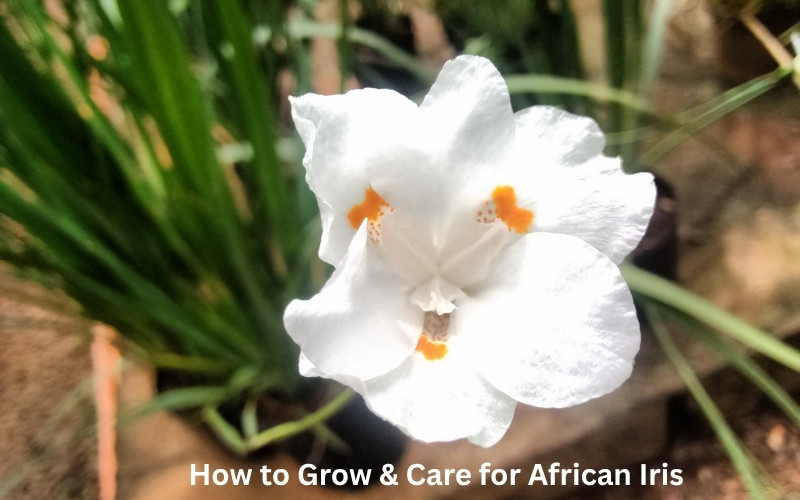
African iris (Dietes spp.) is a stunning, low-maintenance plant known for its sword-like leaves and elegant orchid-like flowers. Native to South Africa, this hardy perennial is ideal for gardeners looking for beauty with minimal effort. Acquire to How to Grow & Care for African Iris. Whether you’re landscaping a sunny yard or looking for a drought-tolerant addition to your garden, learning how to grow and care for African irises can transform your outdoor space. In this guide, we’ll walk you through everything you need to know — from planting and watering to pruning and propagation — to ensure your African iris thrives year-round.
African iris (Dietes iridium) is an evergreen plant that thrives in warm regions, blooming for a long time from spring to fall. It can be grown as a perennial in zones 8 to 11 and is usually grown as an annual in colder areas.
General care requirements for growing African Iris are:
- Relatively low maintenance
- Advantages of frequent division at least every 2 or 3 years
- Grows in full sun
- Drought-tolerant
Light
Thought it grows best in full sun, African Iris blooms in partial sun. It may not be as vigorous when blooming in partial sun. Ideally, if possible, it should receive six hours of sun per day during flowering, and afternoon sun is a little stronger than morning sun for this perennial plant.
Soil
These plants prefer rich, well-drained loamy soil. Many irises are not fussy about soil, but African Iris needs good drainage to keep its rhizomes healthy. If you have clay soil, add some compost or other amendments to improve drainage before planting African irises.
Water
Once established, African irises are very drought tolerant and do not require any special watering. They may need watering during periods of extreme drought. They should be watered regularly for the first two years, or immediately after planting.
Temperature and Humidity
Since they originate in tropical climates, African irises are not cold tolerant and cannot survive as perennials in areas with harsh winter temperatures. Being very drought tolerant, they do not grow very well in areas with high summer humidity. Frequent division promotes air circulation and helps prevent any problems caused by excessive moisture.
Fertilizer
African irises can benefit from fertilizer during the growing season. Apply a basic all-purpose plant food in the spring and mid-summer to encourage flowering and keep pests at bay. Apply fertilizer a few inches away from the plant to prevent root burn.
Pruning
African irises bloom quite heavily at the peak of the summer season. The blooms will make your plants look fresh and vibrant. You can also prune away any brown, dead, or damaged leaves. Clean your tools before cutting leaves (a good gardening practice) to avoid introducing any bacteria that can cause root or crown rot.
Knowing how to properly grow and care for African irises is essential for gardeners who want a vibrant, low-maintenance landscape plant that thrives with minimal effort. African irises not only add elegant beauty with their attractive foliage and delicate flowers but also offer excellent drought tolerance and adaptability to a variety of soil types. Proper care ensures that the plant stays healthy, blooms profusely, and resists pests and diseases. Understanding its water, sunlight, and pruning needs can help prevent common problems like yellowing leaves or weak blooms. By mastering African iris care, gardeners can enjoy a long-lasting, attractive addition to their outdoor spaces that requires little time but pays big rewards in aesthetics and resilience.
Learn How to Grow & Care for African Iris, african iris landscape ideas, Knowing how to properly grow and care for African irises is essential for gardeners who want a vibrant, low-maintenance landscape plant that thrives with minimal effort. African irises not only add elegant beauty with their attractive foliage and delicate flowers but also offer excellent drought tolerance and adaptability to a variety of soil types. Proper care ensures that the plant stays healthy, blooms profusely, and resists pests and diseases.
Understanding its water, sunlight, and pruning needs can help prevent common problems like yellowing leaves or weak blooms. By mastering African iris care, gardeners can enjoy a long-lasting, attractive addition to their outdoor spaces that requires little time but pays big rewards in aesthetics and resilience. Learn How to Grow & Care for African Iris, african iris landscape ideas, african iris fertilizer, african iris yellow, african iris purple.
Like other types of iris, African iris has a clumping growth habit and spreads via rhizomes, but it also spreads when its seed pods bend down into the soil and form new roots. The best way to propagate is from existing plants after division. Here’s how:
- You’ll need to divide the plant to get root divisions, or get divisions from someone else.
- Divide clumps of irises like Japanese irises: Dig them up, shake off excess dirt, and use a sharp knife to cut the roots.
- Plant in medium or well-drained soil in a container. Plant indoors in the fall or outdoors in the spring after the last frost. Make sure the plant gets at least six hours of direct sunlight per day; indirect sunlight may be sufficient. Be sure to water regularly.
It is possible to grow African iris from seed. Here’s how:
Collect seeds from the pods in the fall.
Plant the seeds indoors in the fall or after the last frost in the spring. There is no need to soak or stratify the seeds in cold stratification.
Plant in well-drained soil that gets at least six hours of direct sunlight per day. Water lightly and frequently. The seeds should begin to germinate within four weeks.
Overwintering
In growing areas that are too cold to survive the winter, this plant can be successfully grown as an annual. It can be dug up and replanted in the winter and spring, much like digging up other perennials such as cannas or dahlias that are not cold tolerant. If you plan to dig up your African irises in the winter, shake off excess soil and allow the rhizomes to dry thoroughly before storing them in peat moss or sand in a cool, dry place.
They can be replanted in the spring when temperatures warm up and the danger of frost has passed. To know Learn How to Grow & Care for African Iris, african iris landscape ideas, african iris fertilizer, african iris yellow, african iris purple.
Although generally low maintenance, there are some diseases and pests that occasionally affect African irises. The most common is crown rot or root rot. This occurs when the plant is kept too wet for too long. Prevention is the best solution: plant in well-draining soil, divide the plant frequently to keep the roots healthy, and plant in a location with good air circulation. If your plant develops rot, dig it up, cut out the affected area, and replant. Fall is a good time to divide and replant to keep them healthy.
There is also the possibility of fungal and bacterial diseases, including rust, botrytis blight, and fungal leaf spot. Fungal diseases can be identified by the appearance of yellow or brown spots on the leaves; these diseases can spread to the entire plant if left untreated. In wet, warm weather, bacterial leaf spot can appear; This can result in small, spongy, wet spots on the edges of the leaves and can spread to larger, water-soaked lesions. If your African iris shows signs of fungal or bacterial disease, remove the affected parts of the plant and allow the plant to dry out thoroughly, and avoid overwatering.
Common pests that can affect your African iris include aphids, iris borers, and nematodes. Iris borers attack the plant in their larval stage and can quickly cause extensive damage. This can be prevented by applying a weekly neem oil spray. This will also help prevent aphids. Nematodes (Ditylenchus destructor) can attack the young roots of the plant and cause the leaves to turn brown and the roots to dry out. To prevent this, remove damaged or diseased plant parts and practice good hygiene with clean tools to prevent infection or spread. Study Learn How to Grow & Care for African Iris, african iris landscape ideas, african iris fertilizer, african iris yellow, african iris purple.
African Iris Maintenance Tips
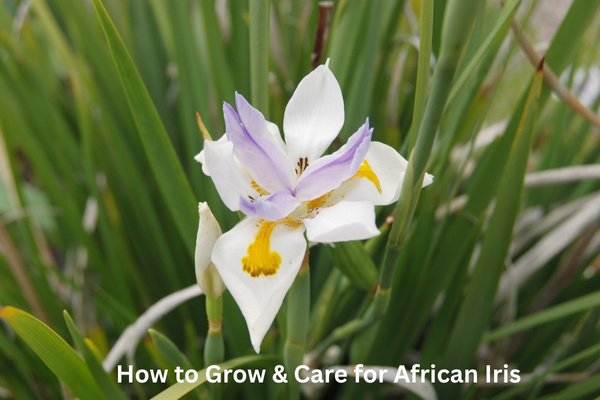
A few simple maintenance steps are necessary to keep your African Iris healthy and attractive throughout the year. Remove dead or yellowing leaves regularly to keep the plant clean and reduce the risk of disease.
Maintaining your African Iris is simple and key to making sure wholesome increase and considerable blooms. Start by way of regularly casting off dead or yellowing leaves to maintain the plant tidy and decrease the chance of disorder. After flowering, trim back spent flower stalks to encourage new blooms and save you strength waste. Every few years, divide crowded clumps in early spring or fall to rejuvenate the plant and hold energy. Mulching across the base helps keep moisture and suppress weeds however keep mulch far from the crown to keep away from rot.
Additionally, avoid overwatering—African Iris prefers well-tired soil and may tolerate drought as soon as set up. With those easy maintenance steps, your African Iris will thrive and beautify your lawn for years yet to come. After the flowering season, prune spent flower stalks to encourage new growth and extend the blooming period. Divide dense clumps every 2 to 3 years, in early spring or fall, to help the plant grow faster and not become root bound.
Applying mulch around the base will help retain moisture and suppress weeds, but keep it away from the crown to prevent rot. With minimal maintenance, your African Iris will continue to thrive season after season.
The African Iris is generally a hardy and occasionally reseeded plant, but like other lawn favorites, it can occasionally encounter pests and diseases. The most common insect threats include aphids, spider mites, and thrips, which can cause leaf discoloration and stunted growth. Regular watering or a strong blast of insecticidal soap will take care of minor infestations. Fungal problems, leaf spot, or root rot may occur, especially in overly wet or poorly drained soil. To prevent these problems, ensure proper air circulation, avoid overhead watering, and remove affected leaves immediately. Keeping your plant life healthy and your lawn clean is a better defense against these unusual problems.
African Iris is a versatile plant that adds texture, color, and beauty to any landscape design. Use it as a border plant along a walkway or lawn bed for a simple, dependable look. Its upright, sword-like leaves provide architectural interest for 12 months, while the delicate, orchid-like flowers provide a pop of color at any time of the growing season. African iris also works wonderfully in mass plantings, making a low-maintenance, drought-tolerant groundcover suitable for coastal gardens or xeriscaping.
Pair it with ornamental grasses, lavender, or other sun-loving perennials for a dynamic, layered effect. Whether in a formal garden or a natural setting, African iris brings fashion and resilience to outdoor areas. Acquire to Learn How to Grow & Care for African Iris, african iris landscape ideas, african iris fertilizer, african iris yellow, african iris purple.
Troubleshooting Common Problems with African Iris
Even though African Iris is a tough and dependable plant, it may once in a while show signs of pressure. Yellowing leaves are often a sign of overwatering, bad drainage, or nutrient deficiencies—ensure the soil drains properly and keep away from soggy situations. If your plant isn’t blooming, it can be due to inadequate daylight, overcrowding, or the want for division. Thin out crowded clumps every few years to reinvigorate growth. Slow spreading or terrible increase may indicate that the plant is in compacted soil or lacking nutrients. A balanced fertilizer and everyday renovation can assist repair its power. Monitoring those symptoms early guarantees your African Iris continues to thrive with minimum fuss.
African Iris Maintenance: Expert Tips for Long-Lasting Beauty
To preserve your African Iris searching its first-rate yr-round, observe those professional maintenance recommendations. First, deadhead spent flowers regularly to promote non-stop blooming and prevent seed formation that drains electricity from the plant. Cut again any damaged or yellowing foliage to hold the clump neat and disorder-free. Every 2–3 years, divide mature clumps in early spring or fall to save you overcrowding and inspire sparkling, full of life growth. Apply a balanced, slow-launch fertilizer in early spring to aid flowering.
Avoid overwatering—African Iris is drought-tolerant as soon as installed, and soggy soil can lead to root rot. Lastly, mulch around the base (no longer immediately on the crown) to suppress weeds and preserve moisture. With only a little attention, African Iris will praise you with stunning blooms and luxurious foliage season after season.
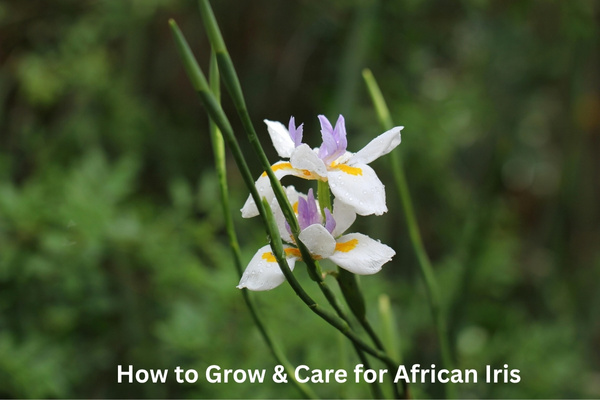
If your African iris isn’t blooming, there are a few important changes you can make. First, make sure it’s getting full sun—at least 6 hours a day—as insufficient light is a common cause of blooming failure. Check for excess light; if the plant life is too dense, it will want to divide. Every 2-3 years, dig up and separate the clumps to refresh their energy.
Use a balanced, slow-release fertilizer in early spring to encourage flowering, but avoid high-nitrogen formulas, which can encourage leaf growth instead of plant life. Also, prune off dead or broken leaves to allow the plant to draw energy from new buds. With proper care, your African iris should bloom profusely and reliably for years. Study Learn How to Grow & Care for African Iris, african iris landscape ideas, african iris fertilizer, african iris yellow.
Bloom Months
Once an African iris is two years old, it will bloom year-round. When it’s young, it should bloom consistently throughout the spring and summer. The flowers are somewhat ephemeral but usually have many more to come as the flowers fall.
What do African iris flowers look and smell like?
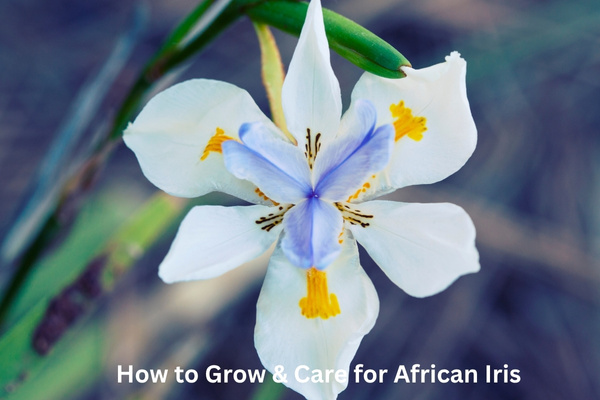
This attractive plant has a round, six-petaled creamy white flower with a small four-petaled blue-purple flower in the center, with a bright yellow tinge spread between the white petals. The flower’s fragrance, if noticeable, is subtle but sweet.
If your African iris isn’t blooming consistently, make sure it’s getting enough sun. It needs at least five hours of direct sunlight each day. You can try watering it more frequently and see if keeping the soil slightly moist helps the plant produce more flower buds. Finally, regular fertilization will also help your plant produce more flowers.
Conclusion: How to Grow and Care for African Iris
African iris is a resilient, low-maintenance plant that brings beauty to the garden year-round with its attractive foliage and delicate flowers. With the right amount of sunlight, well-drained soil, and occasional feeding, you can ensure healthy growth and vibrant blooms. Regular maintenance such as pruning, dividing overcrowded clumps, and monitoring for pests will keep your plants thriving season after season. Whether used in borders, mass plantings, or drought-tolerant landscapes, African irises offer both beauty and practicality. With a little care, this stunning perennial will provide you with reliable performance and visual appeal for years to come.
FAQ
Can you grow African iris as a perennial?
The African iris is only cold hardy to zone 8, so it will not survive in a location where the ground freezes.
Can you grow African iris in containers?
If you are growing this plant as an annual and overwintering it, it should do fine in a container for the growing season. If growing as a perennial, the African iris tends to spread rather freely. Growing it in a container may cause overcrowding which can lead to root rot, so it is best to plant in the ground.
How do you take care of African irises?
African Iris need full sun to partial shade, where they will receive at least 6-8 hours of unfiltered sunlight. The African Iris should receive regular water until established and although they are drought tolerant once established, they should be watered weekly for best growth and flower production.
Where is the best place to plant African irises?
Plant in well-drained soil where there is at least six hours of direct sunlight per day. Water lightly and frequently.