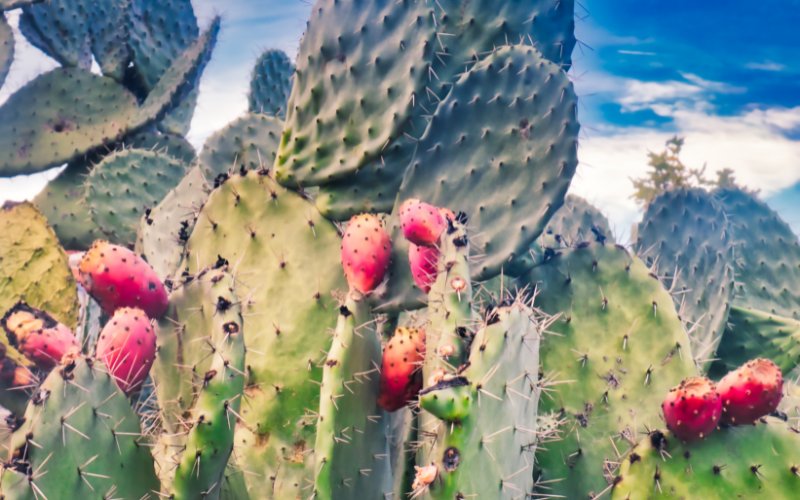
The red cactus plant is an attractive and unique addition to any indoor or outdoor garden, known for its vibrant red color and low-maintenance nature. This eye-catching succulent not only adds a pop of color but also thrives in a variety of conditions, making it an excellent choice for both novice and experienced gardeners.
Red cactus is one of a kind and desirable succulent recognized for its vibrant red color and unique form. This plant, often called a “Christmas cactus” or “Thanksgiving cactus” when in bloom, is prized for its presence and relatively low protection needs.
Varieties of red cactus
Red torch cactus (Echinopsis huascha)
Red torch cactus, scientifically known as Echinopsis huascha, is an attractive cactus species adorned with vibrant red flowers on its tall, columnar stems.
Discover the splendor of the Red Torch Cactus (Echinopsis huascha), a stunning cactus species famous for its tall, columnar shape and vibrant purple plant life. Native to the high-elevation regions of Bolivia and Argentina, this cactus thrives in sunny, well-drained conditions, making it best for gardeners to add dangling shade to their landscape. Enhance your lawn with the vibrant appeal of Red Torch Cactus. Explore care techniques and discover where to buy this beautiful cactus variety to enhance your outdoor spaces with its powerful blooms and architectural appeal.
Moon Cactus (Gymnocalycium mihanovici)
Discover the charm of Moon Cactus (Gymnocalycium mihanovichii), an excellent and colorful cactus variety cherished for its colourful sun shades and clean care. Also referred to as ruby ball cactus or Hibotan cactus, this small, grafted succulent adds a hint of vivid crimson, red, orange or yellow to any indoor or outdoor space, making it a favourite amongst succulent fanatics and novices alike.
Enhance your house or garden with the vibrant splendor of the Moon Cactus. Explore care techniques and store this cute cactus range to enhance your indoor or outdoor area with its colourful attraction and smooth-care nature.
Christmas cactus (Schlumbergera bridgesii)
The Christmas cactus, scientifically referred to as Schlumbergera bridgesii, is a famous and festive succulent acknowledged for its appealing, drooping stems and vibrant vegetation that regularly coincide with the vacation season. Native to the coastal mountains of Brazil, this cactus species has come to be a favourite amongst indoor garden fans global due to its particular appearance and comparatively low renovation necessities.
The Christmas cactus is not only a beautiful addition to any indoor garden but also a symbol of joy and festivity during the holiday season.
The Christmas cactus is not only a beautiful addition to any indoor garden but also a symbol of joy and festivity during the holiday season. With proper care and attention to its specific needs, this charming succulent will reward you with years of stunning blooms.
Thanksgiving Cactus (Schlumbergera truncate)
Thanksgiving cactus are not handiest a stunning addition to any indoor lawn but also a symbol of heat and pleasure for the duration of the holiday season. With right care and interest to its particular needs, this fascinating succulent will reward you with years of lovely blooms and seasonal cheer.
Ruby Ball Cactus (Gymnocalycium baldianum)
Native to South America, particularly Argentina and Uruguay, this cactus is prized for its compact length, ease of care, and decorative planting ability, making it a favorite among succulent enthusiasts and gardeners.
The Ruby Ball Cactus is prized for its compact length, vigorous foliage, and low-maintenance care requirements, making it a delightful addition to any succulent collection or garden setting. With proper care and attention to its special needs, this cactus will thrive and delight gardeners with stunning blooms and lasting beauty.
Moon Cactus Care
The Light
Ball tops are more shade tolerant than many cacti and dislike direct sunlight. This cacti will do best in an area that gets bright indirect light but not more than an hour or two of morning sunlight. Too much direct sun will wash out the colors.
The Soil
A rich, quick-draining cactus mix with a low pH is ideal. Ensure that the soil meets the needs of the host cactus below.
The Water
Allow the soil mixture to become almost dry between waterings, but water thoroughly afterwards. Good drainage is essential as leaving the plant in water can cause root rot. During the summer time months, the plant may also need to be watered extra regularly. Especially if it’s moved out. Plants in small containers will best need weekly watering. Watering is not sensible at some stage in the wintry weather months, however the flowers may additionally now and again be misted.
Temperature and Humidity
The ideal conditions for the rootstock and the upper sign part may not be the same. Rootstock species 11 through 12 (such as night-blooming cereus or blue myrtle) are hardy as low as 8 or 9. During the winter, the recommended temperature range is between 50 and 60 degrees Fahrenheit. Like most cacti, this plant prefers low moisture levels.
Fertilizer
You don’t need to fertilize your moon cactus plant regularly, but you should dose it with a cactus fertilizer every month during its growing season (April to September). Suspend feeding during winter dormancy.
FAQ
How long does a moon cactus live?
Unless you repot the scion above the fresh rootstock cactus, a moon cactus usually only lives a few years. But if you’re ready to repot the plant, you can continue the colorful scion indefinitely.
Are there other colorful cacti to consider?
Moon cactus is the only common houseplant cacti with colorful fleshy bodies, but there are several common houseplants with very bright, colorful flowers, including ladyfinger cactus (Mammillaria elongata), Christmas cactus (Schlumbergera spp.), and ball cactus (Parodia spp.).
What does Gymnocalycium mihanovichi look like in the wild?
In its native South American habitat, G. mihanovichii is a miniature 4-inch plant with a rounded shape and 8 to 14 ribs. Native species are gray-green with burgundy accents. In the wild, it is often found in shady places under bushes and grass. All cultivars selectively bred and hybridized since the 1940s with colorful houseplant versions.