Are you captivated by the classic charm and elegance of historical architecture? Colonial Revival house plans offer a timeless appeal that mixes traditional design factors with current capability. Rooted in early American structure, those plans emphasize symmetry, formal proportions, and wonderful detailing, making them a famous preference for house proprietors who admire traditional aesthetics. In this guide, we will explore the important factor features of Colonial Revival residence plans, their historical importance, and how they will be tailor-made to in form modern dwelling whilst retaining their unique individual. Whether you’re constructing from scratch or renovating an present property, find out how Colonial Revival designs can create a lovely, enduring home.
Colonial Revival residence plans are celebrated for their symmetry, formal layout, and attention to element. These homes usually function features along with:
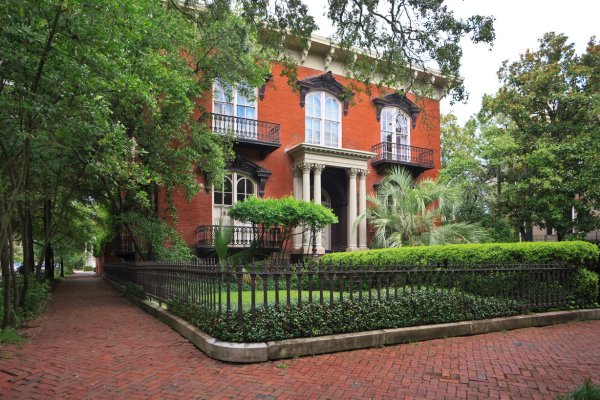
Symmetrical Facades: A hallmark of the Colonial Revival layout, the the front elevation is frequently balanced with lightly spaced home windows and a principal front.
Classical Details: Expect to see ornamental moldings, columns, and pediments that upload a hint of elegance.
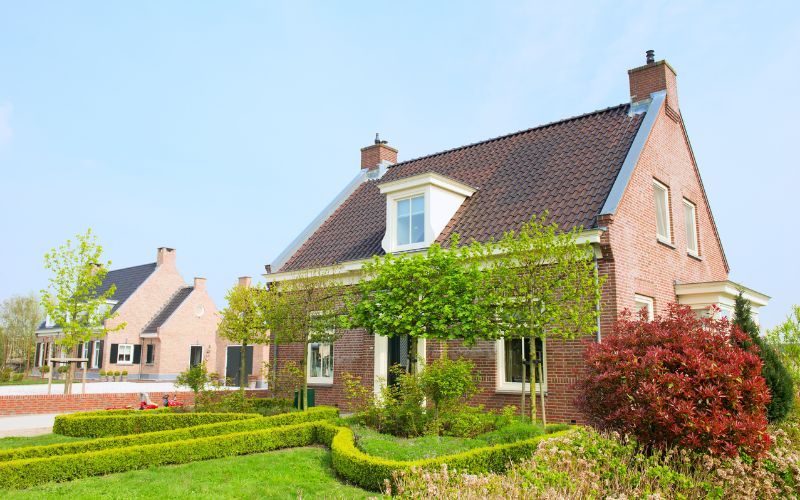
Gabled Rooflines: The steeply pitched roofs and dormer home windows not only effective decorate the visual appeal but additionally offer functional space.
Brick or Wood Siding: Classic substances like brick or wood siding make a contribution to the long-lasting attraction of those homes.
Bringing Your Vision to Life
Choosing the right Colonial Revival house plan is step one closer to developing a domestic that marries historical elegance with current comfort. Whether you’re constructing from scratch or reworking an modern-day property, those plans offer a number of alternatives to suit awesome tastes and desires.
Explore numerous Colonial Revival house plans and discover the only that resonates together along with your imaginative and prescient. From stately facades to charming interior information, those designs provide a basis for growing a home this is each beautiful and functional. Embrace the appeal of traditional architecture and flip your dream domestic proper into a fact with Colonial Revival house plans. Colonial Revival residence plans are an incredible choice for the ones in search of to aggregate conventional splendor with cutting-edge dwelling. This architectural fashion, inspired through the early American colonial era, emphasizes symmetry, conventional detailing, and timeless attraction. Featuring elements at the aspect of balanced facades, gabled roofs, and classical moldings, Colonial Revival houses exude a revel in of sophistication and beauty. Ideal for each new buildings and renovations, the ones plans offer flexibility to incorporate modern services at the same time as preserving historic enchantment. By choosing Colonial Revival residence plans, house proprietors can create a cute and practical living location that honors traditional format necessities at the same time as assembly cutting-edge-day desires.
Origins of the Colonial-Revival style
The Colonial Revival style of structure emerged inside the late nineteenth century, mainly inside the 1870s. This style emerged as a reaction to the eclectic and often ornate Victorian fashion that dominated the duration, marking a return to the less difficult, greater symmetrical paperwork related to America’s colonial past. Colonial Revival is a reinterpretation of earlier American colonial homes that focuses on simple, symmetrical, practical design. Major influences that caused the improvement of this fashion:
European Architecture: Colonial architecture in the United States was heavily influenced by British, Dutch, Spanish, and French designs, with more restraint and less luxury and opulence. Colonial-Revival merged simple, symmetrical American Colonial styles with ornate Victorian-era ornamentation.
American Pride: The Colonial Revival was spurred by the Centennial Exhibition celebrating the 100th anniversary of the signing of the Declaration of Independence in 1876, which increased interest in preserving buildings of architectural interest.
New Building Techniques: Technological advances and increased access to building materials enabled architects and builders to take more liberties when building new colonial-style houses.
Centennial Celebration: The Centennial Exposition of 1876 in Philadelphia played an important role in reviving interest in America’s colonial heritage. The national event celebrated the 100th anniversary of American independence and showcased colonial-style buildings, which captured the public’s imagination and nostalgia for the nation’s early architectural heritage.
Nationalism and Nostalgia: After the Civil War, there was a strong desire to unite the country and emphasize shared heritage. The Colonial Revival style appealed to a sense of national identity and pride, evoking the perceived virtues of the colonial period such as simplicity, order and patriotism.
Influence of Architects and Designers: Prominent architects such as Charles McKim, William Mead, and Stanford White of the firm McKim, Mead & White played a role in popularizing the Colonial Revival style. Their designs often incorporate elements of colonial architecture, adapted to contemporary needs and aesthetics.
Architectural Publications: Books, magazines and monographs documenting colonial architecture helped spread the style. Publications such as “The White Pine Series of Architectural Monographs” highlighted Colonial buildings and their design elements, making the style accessible to architects and homeowners across the country.
History of Colonial-Style Homes
The first American colonial-style houses were developed during British colonial rule. Houses were timber-framed log houses, symmetrically anchored by simple windows, decorative shutters and a central door and one or two chimneys. Then these “original American colonials” stopped being built around the American Revolution in 1765-1783, when British architecture fell out of fashion as the new country proclaimed its independence.
However, a century later, the Colonial Revival style emerged from 1880 to 1955, for the country’s centennial celebration in 1876. Architects borrow and mix elements from previous building styles to create a variation of the original that fits the time. The first wave of Colonial Revival homes from the 1880s to 1945 were built with quality materials.
But between 1945 and 1955, American suburbs saw a new crop of postwar neo-colonials that lacked the craftsmanship and elegance of the original. Still, it was good enough for suburbs across the country, where they became ubiquitous. Then, in the late 20th century and early 21st, neo-colonial architecture took on a new and larger form in the form of the McMansion that came to define the era and still shape American neighborhoods.
Colonial homes remain an iconic part of the American architectural landscape that never seem to go out of style. These appear as New England historic homes and reproductions. They continue to be developed by developers across the United States and are now called “New Traditional.”
Colonial-Revival Homes Today
Colonial-revival homes hold to captivate owners and architects nowadays with their timeless elegance and historic appeal. These homes, stimulated by using early American architectural patterns, provide an excellent blend of conventional design and present day amenities. Featuring symmetrical facades, gabled roofs, and classical information including columns, pediments, and shutters, Colonial-Revival homes evoke a experience of tradition and sophistication. Modern interpretations of this style regularly incorporate open floor plans, modern day kitchens and energy-inexperienced structures, seamlessly integrating modern dwelling with conventional aesthetics. The enduring popularity of Colonial-Revival houses can be attributed to their versatility and enchantment, as they healthy each metropolis and suburban environments, offering a sense of stability and lifestyle in a short-paced world.
FAQ
What makes a colonial house unique?
American colonial houses are usually characterized by a square or rectangular facade, a central entrance and symmetrically placed windows on either side of the entrance. They are usually made of wood, stone or brick and usually have doors and windows with shutters of similar size.
How to style colonial home?
Selecting the right color palette for a colonial home is crucial to setting the mood. Soft and muted neutral tones are the best colors for a colonial-style home. Pale peaches, pinks, soft blues, greens, yellows, and browns can create a sense of less elegance associated with stately colonial homes.
What makes a house a Colonial style?
A colonial-style house is characterized by its symmetry and square or rectangular shape. The doors are centered, the windows on each side match, and generally, there are two to three stories.