Starting a houseplant collection may be an interesting and profitable mission. Especially for newbies who want to add a hint of nature to their dwelling space. Deciding on the right houseplant for novices is vital to make sure a successful and fun experience.House vegetation are not best clean to decorate the cultured attraction of your dwelling place, however additionally make a contribution to a healthier environment with the aid of enhancing air high-quality and reducing strain. However, choosing the right flowers is important to ensure a excessive pleasant and profitable delight. In this manual, we’ve got compiled a list of the 20 best houseplants for beginners.
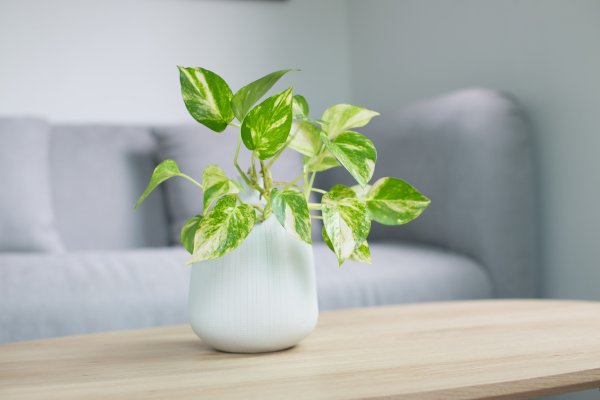
There’s a reason golden poths are one of the most popular hanging plants. In its native habitat, golden pothos grows into a tree-eating giant with huge yellow and green leaves. As a houseplant, the plant will grow aggressively from a pot or backyard basket with minimal care. Golden pothos, also called Epipremnum aureum, is a top choice for beginners trying to start their houseplant adventures. Famous for its heart-shaped leaves hanging from the vibrant foliage and yellow variety, this plant adds a hint of beauty to any area. Golden pothos is quite resilient and adaptable, thriving in a wide range of conditions, making it perfect for the amateur plant parent.
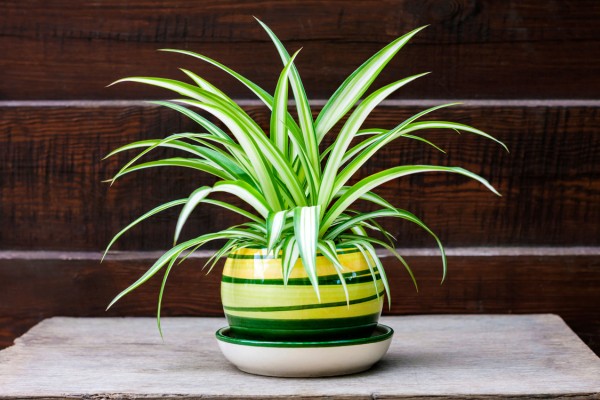
A well-grown spider plant is a wonderful thing. The plant grows easily in baskets or on top of columns with long, narrow, arching leaves. Over time, a mature plant will send out plantlets or offsets on long stems that create an impressive hanging display. Embrace the joy of indoor gardening with a spider plant. Its gentle care requirements, air-purifying ability and attractive foliage make it an ideal choice for beginners looking to house an inexperienced thumb and create an extra colorful, healthy habitat.
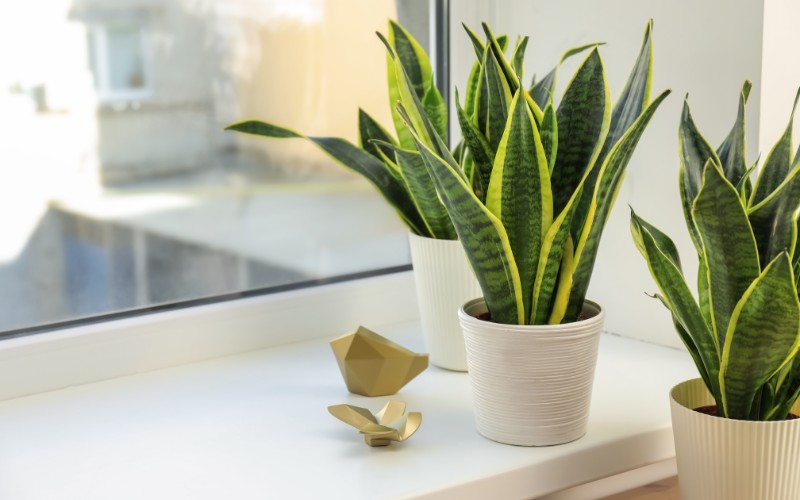
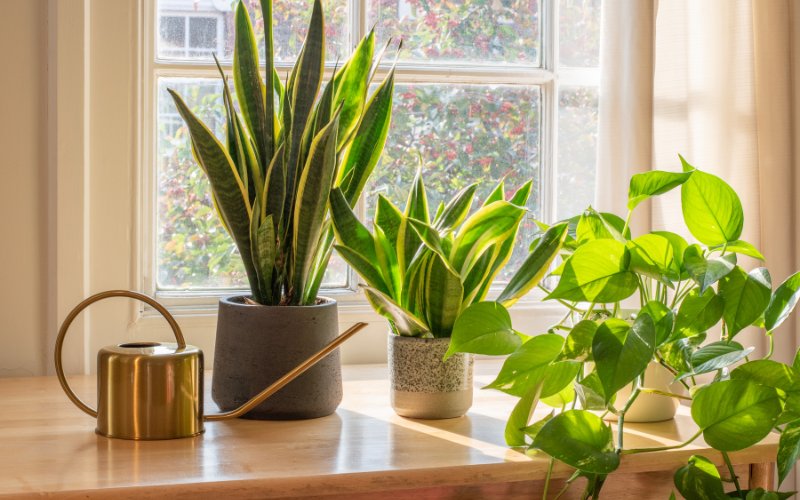
Snake plant (Dracaena trifasciata)
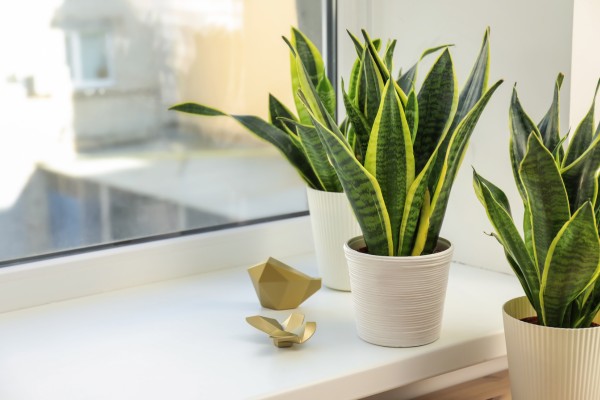
Snake plant features sword-like leaves with green over green bands. Famous for its pendulous straight leaves with variegated styles, this plant is not always visually appealing but is extra hardy. Its ability to thrive in a variety of situations makes it a super addition to any indoor space. Vibrant, prefers mild but can tolerate low light conditions. Avoid direct sunlight, which can scorch the leaves. Its air purification capabilities, combined with its adaptability and resilience, make it a valuable addition to any domestic product. Start your indoor gardening journey with a snake plant and enjoy the benefits of this hardy and delicate houseplant.
Dragon Tree (Dracena marginata)

The dragon tree, also called Dracaena marginata, is a great choice for beginners who need to add a hint of sophistication to their indoor areas. Dragon trees are surprisingly easy plants that tolerate a wide variety of conditions. These plants have sword-like leaves that grow from a woody stem. Prefers bright, indirect light but can tolerate reduced light levels. Avoid direct sunlight, which can scorch the leaves. Overwatering can cause root rot, so err on the side of underwatering. As houseplants, dragon trees grow to about 6 feet, though in their natural habitat they can reach 20 feet tall. Fertilize very little. Start your plant adventure with a dragon tree and revel in the beauty and bounty of this resilient and stylish houseplant.
Moon Cactus (Gymnocalycium mihanovici)
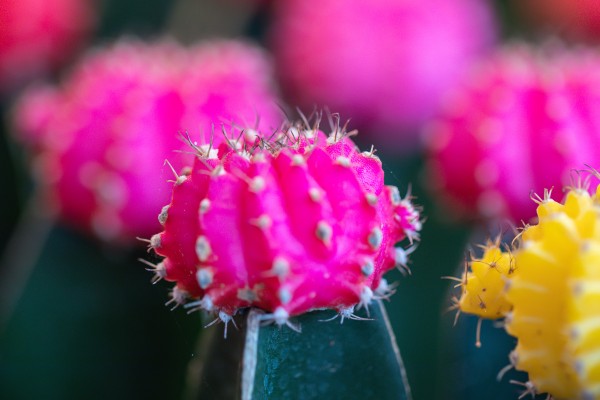
The moon cactus, scientifically called Gymnocalycium mihanovici, is a totally unique and colourful preference for beginners to start their indoor plant series. The moon cactus requires most effective minimal water and can tolerate much less light than other cacti species. It also does no longer require quite a few fertilization. Just make sure to plant it in a pot with drainage holes and short-draining soil, and it should be happy.
Bromeliads (Bromeliaceae spp.)
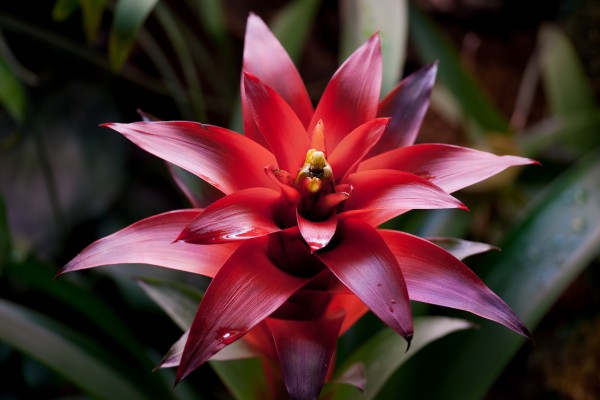
Bromeliads, belonging to the Bromelliaceae circle of relatives, are a stunning and distinctive choice for beginners looking to provide shade and a dash of tropical flair to their home. Known for their hanging leaves and colorful, long-lasting flowers, bromeliads are particularly easy to care for, making them a super addition to any indoor lawn. Bromeliads have won an unfair popularity, possibly because of the difficulty required to get one to bloom. Admittedly, getting these jungle plants to flower indoors is a tough task. They need lots of warmth and water with high humidity and filtered light. Start your indoor gardening journey with bromeliads and enjoy the tropical beauty and ease in your living area.
Lucky Bamboo (Dracaena sanderiana)
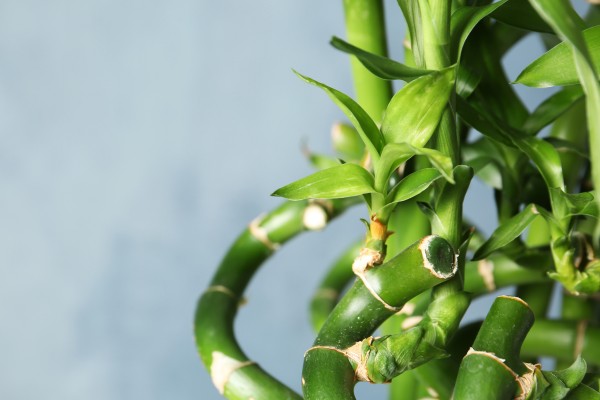
Also a dracaena species, the lucky bamboo perennial workplace plant. Lucky bamboo, scientifically called Dracaena sanderiana, is a popular houseplant that is good for novices. Despite its name, it is no longer virtually bamboo, however its bamboo-like appearance and recognition for bringing excellent good fortune have made it a fave among indoor gardeners. This flexible and resilient plant is notion of for ease of care and elegant look, making it a extraordinary addition to any home or office. Start your indoor gardening adventure with lucky bamboo and experience the simplicity and beauty it brings to your property or workplace.
Fishbone Cactus (Desocactus anguliger)
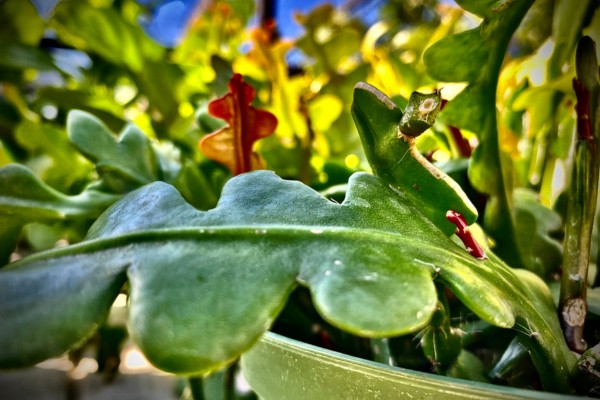
The fishbone cactus, additionally called Dissocactus anguliger or rick rack cactus, is a charming and visually appealing hanging houseplant perfect for beginners. Fishbone cactus features unique angled and toothed stems – hence its other common name, zig zag cactus. It is a tropical species that can handle more humidity and less sun than the typical desert cacti. Start your indoor gardening adventure with the fishbone cactus and enjoy the unique beauty and ease it brings to your space.
Aloe (Aloe vera)
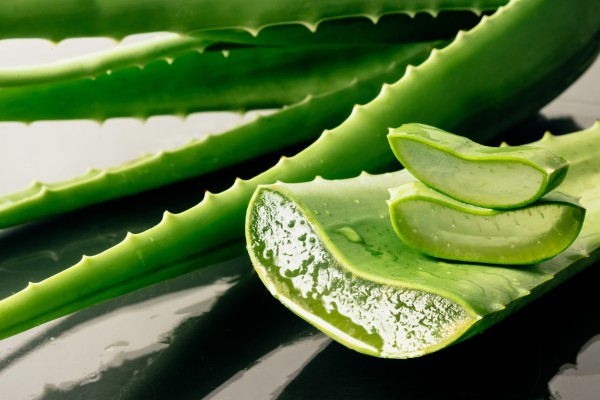
Aloe vera, scientifically referred to as Aloe Barbadensis Miller, is an excellent houseplant for beginners. Renowned for its medicinal properties and attractive, fleshy leaves, aloe vera is both practical and visually appealing. This succulent is easy to care for, making it a fantastic desire for novices in indoor gardening. As a succulent, aloe is quite drought tolerant. So if you forget to water it will not be a problem. And once you water, its long, narrow, sword-like leaves should thicken again. Aloe vera is a great choice for beginners because of its minimal care requirements, medicinal benefits, and attractive appearance. Its ability to improve with a little attention makes it an ideal starting point for your indoor gardening adventure. Add aloe vera to your property and enjoy the splendor and ingenious benefits that this versatile plant brings.
Cast Iron Plant (Aspidistra elitior)
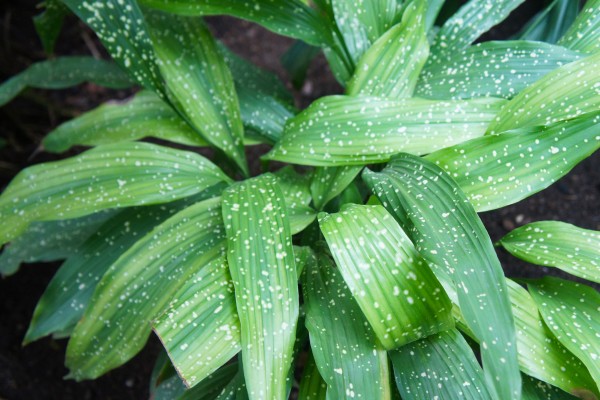
Cast iron plants are as hard, well, as cast iron. It can take a lot of neglect, including low light and inconsistent watering, and still look great. The cast iron plant, scientifically recognized as Aspidistra elatior, is a hardy and reliable houseplant perfect for beginners. True to its name, this plant is quite hardy and can withstand many conditions that would work for a much less resilient species. With its deep, green foliage and minimal care requirements, the cast iron plant is an exceptional addition to any indoor area. Start your indoor gardening adventure with a cast iron plant and experience the convenience and splendor it brings to your own home.
Chinese Evergreen (Aglaonema commutatum)
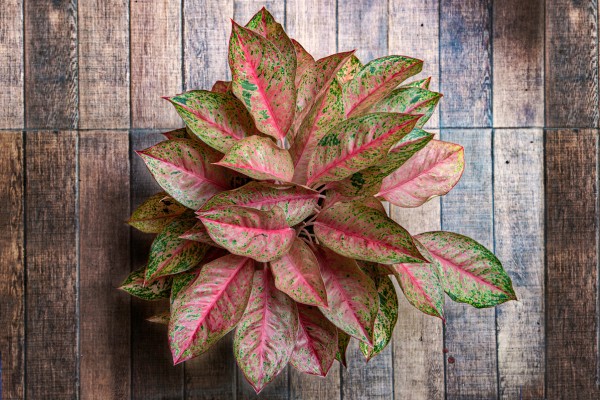
The Chinese evergreen is grown for its attractive foliage. The leaves are large, shiny and oval and they can come in different colors. Chinese Evergreen, scientifically known as Aglaonema commutatum, is a famous and attractive houseplant that is best for beginners. Renowned for its beautiful, variegated foliage and ability to thrive in low-light conditions, this plant is easy to care for and visually appealing. Chinese Evergreen is a versatile and resilient addition to any indoor lawn. Its potential to purify air and improve a variety of indoor conditions makes it a valuable addition to any home environment. Begin your indoor gardening adventure with Chinese Evergreen and revel in the elegance and simplicity it brings to your space.
Echeveria (Echeveria spp.)
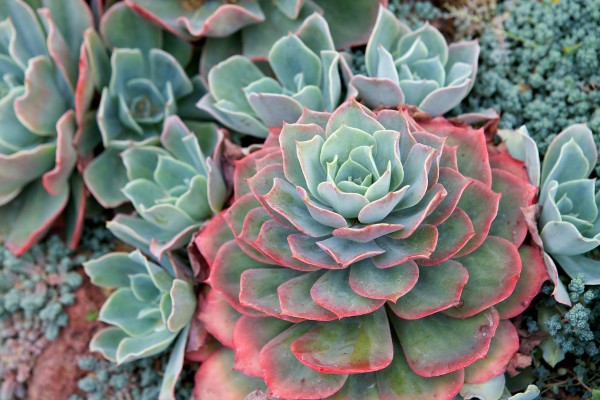
Echeveria, a species of popular succulent, is a brilliant choice for beginners looking to upload a hint of grandeur and elegance to their indoor garden. Echeveria succulents are popular for good reason. They form stunning rosettes with thick leaves that can come in a variety of colors. Echeveria plants are a great choice for newbies because of their low-maintenance nature, drought tolerance, and stunning appearance. Their ability to thrive with minimal care makes them a truly perfect place to start your indoor gardening adventure. Add Echeverias to your personal home and enjoy the splendor and ease these resilient succulents bring to your area.
Holiday Cactus (Schlumbergera x buckleyi)
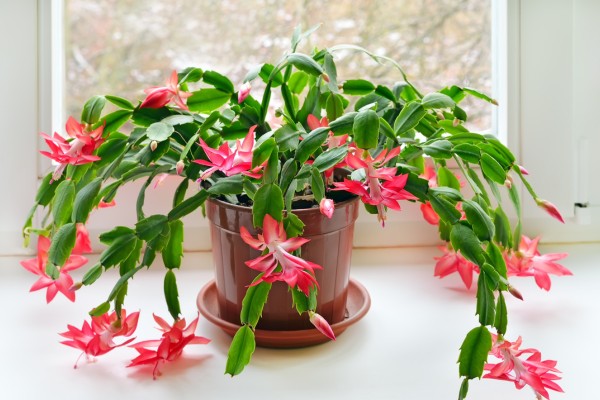
The holiday cactus, scientifically known as Schlumbergera x buckleyi, is a popular and festive houseplant that is best for beginners. Known for its colorful flowers reminiscent of the holiday season, this cactus is not only beautiful but also easy to care for. Holiday cactus are a great addition to any indoor garden, including a dash of color during the winter weather months. The holiday cactus is beloved for its bright flowers that appear in late fall and early winter. It’s actually a rainforest plant, meaning it needs more water than desert cacti. The holiday cactus is an excellent choice for beginners because of its low-maintenance nature, ability to adapt to individual lighting conditions, and delicate seasonal blooms. Its potential to thrive with minimal care makes it a perfect addition to any indoor garden. Start your indoor gardening journey with holiday cactus and enjoy the festive beauty and make it easy to decorate your space.
Bull’s Tongue (Gasteria spp.)
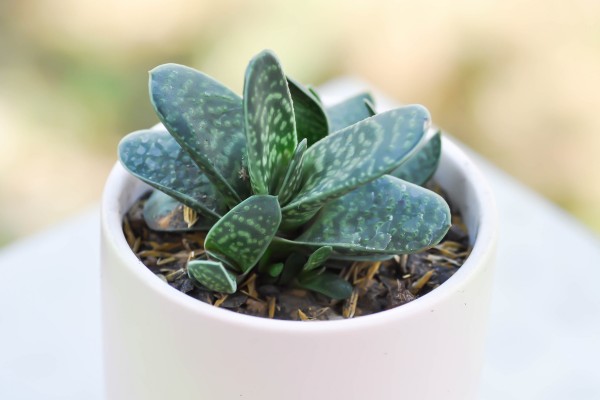
Bull’s tongue gets its common name because of its long leaves which are rough in texture. The leaves are usually green but can come in different colors and patterns. This succulent likes bright light but protection from strong afternoon sun. Ox Tongue, scientifically known as Gasteria spp., is a unique and hardy houseplant that is perfect for beginners. Known for its thick, tongue-shaped leaves that regularly have attractive textures and markings, Gasteria is a resilient and attractive succulent. This plant is easy to care for and adds an exceptional touch to any indoor space. Gasteria flora are a fine choice for beginners due to their low-maintenance nature, drought tolerance, and unique appearance. Their ability to thrive with minimal care makes them a perfect starting point for your indoor gardening journey. Add Gasteria to your home and enjoy the unique beauty and ease of carrying these resilient succulents around your area.
Jade (Crassula ovata)
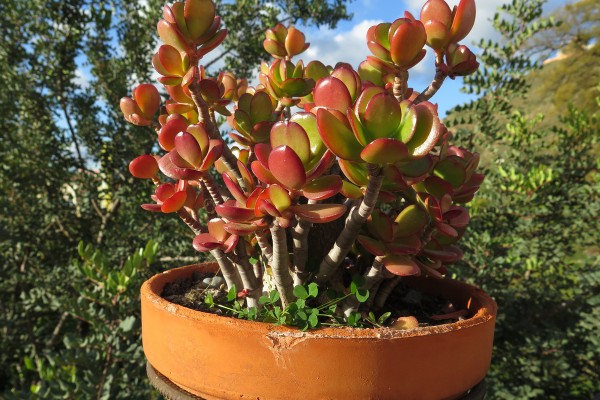
Jade is a popular succulent and is said to bring good luck. It features deep green, oval leaves on woody stems. It is a relatively hands-off plant. Just make sure it has bright, indirect light and well-draining soil. Water more frequently in spring and summer than in fall and winter, making sure the soil is never soggy. The jade plant, scientifically called Crassula ovata, is a popular and hardy houseplant for beginners. Known for its thick, fleshy leaves and tree-like appearance, the jade plant is every bit as attractive and easy to care for. This succulent is a perfect symbol of good luck and prosperity, making it a favorite addition to any indoor lawn. The jade plant is a fantastic choice for beginners due to its low maintenance nature, drought tolerance and attractive appearance. The potential for growth with minimal care makes it an ideal start to your indoor gardening adventure. Add a jade plant to your property and experience the elegance and simplicity it brings to your space, along with its symbolic benefits of good luck and prosperity.
Peace Lily (Spathiphyllum spp.)
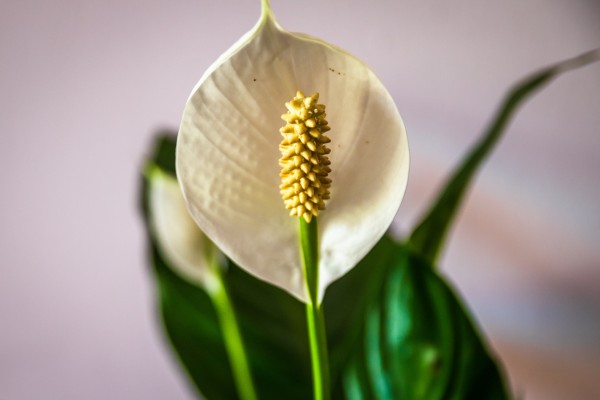
Peace lilies are tropical vegetation which can be famous to develop interior. They feature large, oval, dark green, glossy leaves and blooms with white or yellow flowers. The peace lily, scientifically known as Spathiphyllum spp. is a popular and stylish houseplant that is perfect for beginners. Famous for its lush, dark green leaves and sensitive white plant life, peace lilies add a touch of beauty and serenity to any interior setting. The peace lily is a first-rate desire for beginners because of its bushy appearance, air-purifying talent, and ease of care. Its ability to thrive in a variety of light conditions and its minimal water requirements make it an ideal place for indoor gardening. Add a peace lily to your own home and enjoy the tranquility and beauty this traditional houseplant brings to your area.
Prayer Plant (Maranta Leuconeura)
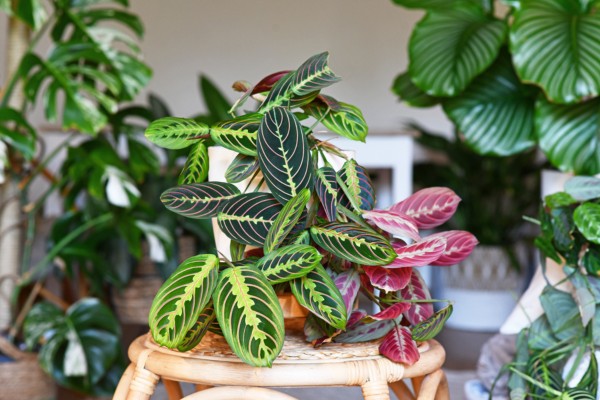
The prayer plant gets its name because its leaves are flat during the day, but at night they fold their hands in prayer. This plant is grown for its decorative leaves, which can even come in a tricolor variety. The prayer plant (Maranta leuconeura) is a beautiful and famous houseplant known for its stunning foliage and characteristic feature of folding its leaves upwards at night, like prayer hands, hence its name. One of the distinctive functions of the prayer plant is its daily movement. During the day, leaves lie flat and unfold horizontally to maximize light absorption. As night approaches, the leaves fold upward in steps, like arms folded in prayer, resulting in the name “prayer plant.” The prayer plant’s unique leaf motion and vibrant foliage make it a favorite among houseplant fanatics. Its remarkably low renovation requirements and decorative appeal make it an exceptional choice for adding a hint of natural splendor to interior spaces.
English ivy (Hedera helix)
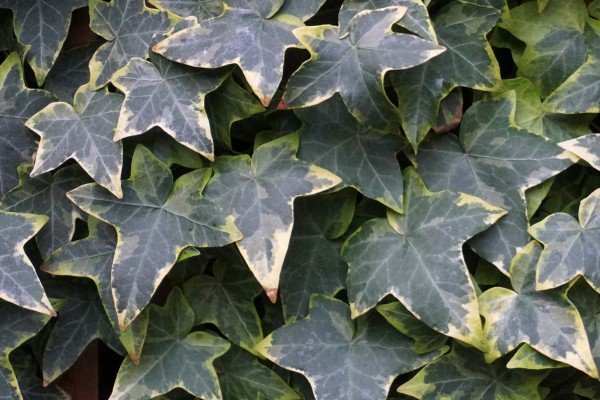
English ivy (Hedera helix) is a flexible and traditional evergreen vine popular both indoors and outdoors. English ivy is popular for growing both indoors and outdoors for its evergreen, climbing vines. It can work great in hanging baskets indoors, where its vines can run along the sides. This plant does not require much light and can grow in a variety of soils. English ivy is a flexible and attractive plant that adds a touch of greenery to a variety of indoor and out-of-door settings. With proper care and renovation, it can enrich and beautify your home for decades.
Maidenhair fern (Adiantum radianum)
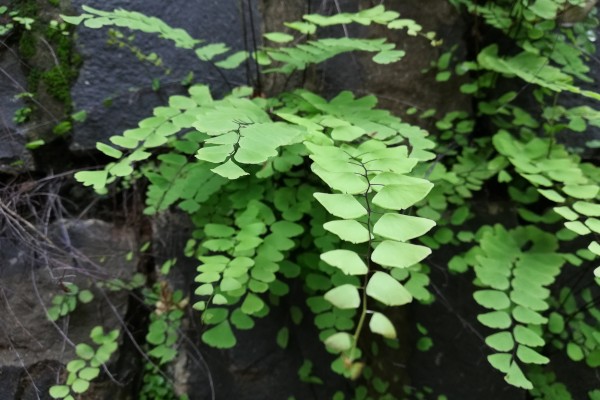
Maidenhair fern (Adiantum raddianum) is a sensitive and swish fern species renowned for its soft, feathery foliage and elegant appearance. Maidenhair ferns have a delicate appearance thanks to their tiny, fan-shaped leaf segments that grow in clusters on wiry black stems. Maidenhair ferns are prized for their sensual beauty and are best for adding a hint of beauty to shaded spaces indoors or sheltered outdoor areas. With interest in their specific care needs, these ferns can thrive and create lush greenery on your property or garden.
ZZ Plant (Zamioculcus zamifolia)
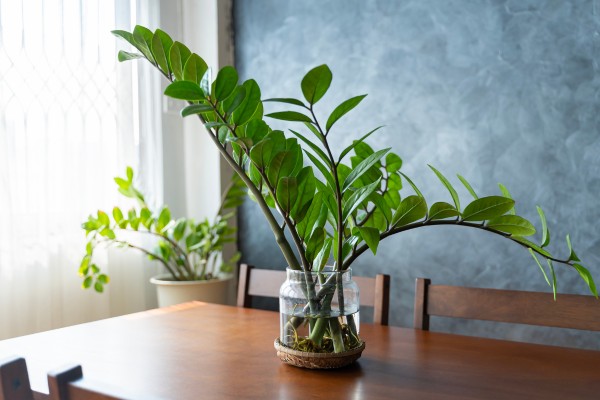
The ZZ plant sports oval, deep green leaves that curl upward. The leaves are so shiny and uniform in color that some might even mistake them for fake. This plant is quite low maintenance and can tolerate some drought. The ZZ plant (Zamioculcas zamiifolia) is a popular and resilient houseplant recognized for its attractive smooth leaves and coffee-reducing care requirements. ZZ plants are prized for their smooth, dark green foliage and ability to thrive in low-light conditions with minimal care. They are a high-quality choice for beginners and all of us who want to upload a hint of greenery to the interior area without demanding too much interest. With proper care, the ZZ plant can become a lush and attractive addition to your property or workplace.
FAQ
What is the easiest houseplant to have?
The simplest houseplants to develop commonly aren’t too choosy about their surroundings, and they can get better from a little neglect. How smooth a plant is also depends upon your home’s conditions. For example, if you live in a dry climate, you would possibly fare better with plants that have low humidity and moisture needs.
How many houseplants have to I begin with?
If you’re a newbie in relation to houseplants, it’s ideal to begin with only a few that have comparable growing needs. In that manner, you can easily work them into your ordinary and not bear in mind any individualized care.
What is the maximum hardy houseplant?
Hardy houseplants can manage a number of growing conditions where many vegetation would die, as well as some forget in their care. The cast iron plant is a high instance, as it may thrive even in low light and with inconsistent watering.