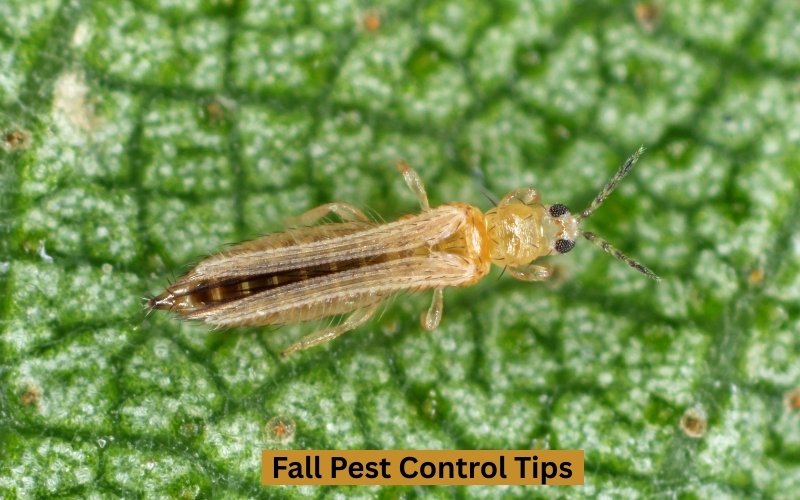
As fall approaches, cooler temperatures drive pests like mice, spiders, and cockroaches indoors in search of warmth and food. Without the right precautions, your home can become a haven for these unwanted intruders. Get Fall Pest Control Tips. Fall is the perfect time to take proactive pest control measures before an insect infestation becomes a problem. In this guide, we’ll cover essential fall pest control tips to keep your home safe, seal entryways, and prevent common seasonal pests from taking over. Keep reading to learn how to protect your home and enjoy a pest-free fall.
As summer draws to a close, we may be faced with some unwelcome guests in the fall: insects and rodents. Some seasonal insects, such as flies, mosquitoes, and gnats, become less visible, while others, including mice, enter an active phase of their life cycle or seek out safe, warm winter homes. Learn Fall Pest Control Tips, pest control resources, pest control facts, diy pest control.
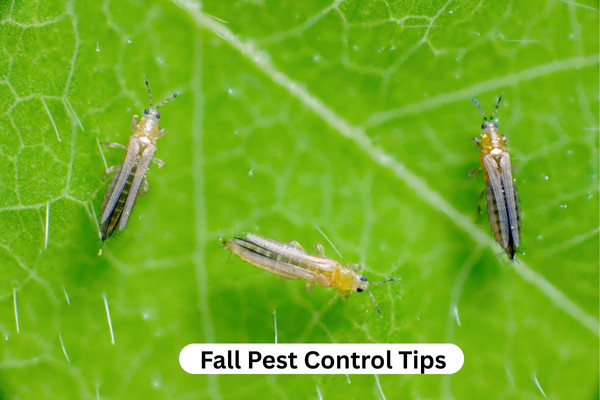
Types of Insects: Here’s how to identify flying insects, non-flying insects, and rodents that you’ll see in the fall.
Insects
Insects vary by geographic location, climate, age of your home, and other factors. The insects listed below are fairly common in many areas, and you’ll find some specific tips for keeping them out of your home.
Stink Bugs: Generally harmless stink bugs get their name from their strong, unpleasant odors. They’re attracted to heat and light, and often congregate on window sills in late summer.
Centipedes: These helpful insects eat silverfish, termites, and flies, but their appearance annoys many people, and some species bite humans.
Silverfish: These silvery insects are attracted to moisture and are sometimes found in bathrooms and kitchens, as well as under loose carpets. Cedar shavings, essential oils, or bay leaves can help repel them.
Boxelder bugs: The slender red and black insects are harmless, although they produce an unpleasant odor. Repel them with citrus scents.
Spider mites: These harmful little brown insects hide in cracks and crevices but become a nuisance when they invade your pantry or food cupboard.
Spiders: Once inside the house, spiders can be difficult to eradicate. Use food-grade diatomaceous earth around your pet’s collar and home for effective spider control.
Flour beetles: These harmful pantry pests are thin brown insects that are attracted to grain-based foods, such as flour. Store grain products in the refrigerator or in glass jars to prevent infestations.
Ants: These insects burrow underground in the winter but also seek warmth indoors. While most ants have short life cycles, they reproduce quickly once they establish a colony.
Cockroaches: Roaches are attracted to heat, including stoves, baseboard heaters, and clothes dryers.
Spiders: Although spiders are generally helpful and eat other insects, some species bite. Check for nests and egg sacs thoroughly in the fall to discourage them from taking over your winter home.
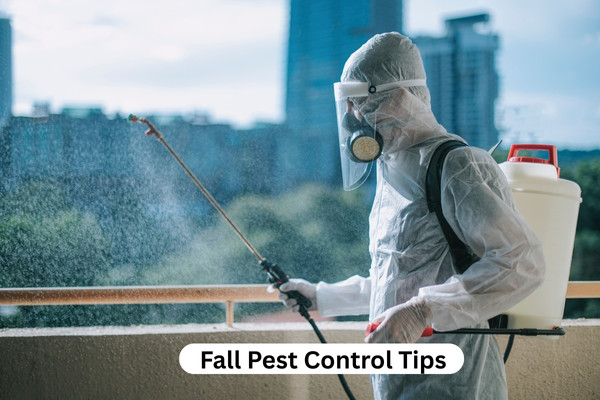
In the fall, some rodents seek out warm places, usually indoors. Chipmunks and squirrels shy away from humans and seek out safe outdoor-accessible spaces, such as sheds or garages. Here are some ways to prevent some rodent damage around your home.
Mice: Field mice, house mice, and deer mice are fairly common throughout the United States. They chew on things, get into food storage, and leave behind smelly urine and droppings. Mice seek out warm places near stoves or baseboard heaters. Mice may dislike the smell of peppermint, which can be used in conjunction with other methods.
Chipmunks: Chipmunks are also vigorous chewers and are attracted to nuts and fruit. They are generally nervous around people.
Squirrels: These mostly outdoor rodents often bring their young indoors if they think it is safe from humans. Seal cracks or holes to prevent them from entering.
Rats: Larger than mice, rats are mostly harmless but can spread disease. Rats eat almost anything from garbage cans, so keep them away by cleaning up outdoor food waste.
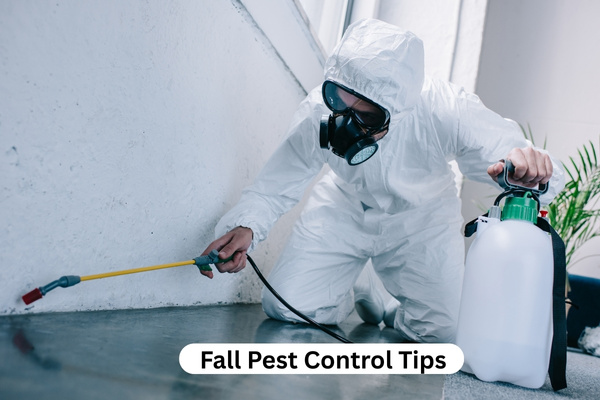
Keeping your private home easy and well-maintained is vital to preventing pests from settling interior at some stage in the autumn. Start with the aid of storing all meals in airtight containers and wiping down kitchen surfaces to put off crumbs that appeal to ants, cockroaches, and rodents. Regular cleaning, which includes sweeping, mopping, and vacuuming, removes cast-off meal debris and pest hiding spots. Fall Pest Control Tips. Reducing moisture is likewise crucial—fix leaky pipes, use a dehumidifier in damp regions like basements, and ensure proper air flow in lavatories and kitchens to prevent mould and bug infestations.
Additionally, decluttering garage regions inclusive of attics, garages, and closets, minimizes hiding locations for pests like spiders and rodents. By taking these proactive measures, you can preserve your home pest-unfastened and cushty all through the autumn season. Study Learn Fall Pest Control Tips, pest control facts, diy pest control, national pest control.
If you choose green methods to keep pests away, numerous herbal solutions can be exceedingly powerful. Essential oils like peppermint, eucalyptus, and tea tree oil are recognised to repel insects and rodents—virtually mix some drops with water and spray around entry points, home windows, and baseboards. Diatomaceous earth, a non-poisonous powder, may be sprinkled in cracks, crevices, and alongside baseboards to dehydrate and kill insects like ants, cockroaches, and spiders. Homemade traps, including vinegar and dish cleaning soap for fruit flies or a peanut butter baited jar for rodents, can help catch unwanted pests without the use of harsh chemicals.
Additionally, introducing natural predators like ladybugs to your lawn can help manage aphid populations before they invade your home. Fall Pest Control Tips. By the usage of those herbal pest control techniques, you can preserve your house safe and pest-free without relying on synthetic pesticides.
FAQ
Should you do pest control in the fall?
Protection from Cold-Weather Pests: As the days get shorter and temperatures drop, pests are more motivated to seek out shelter. Long-Term Pest Management: By addressing potential pest issues in the fall, you can reduce the likelihood of recurring infestations during the winter.
What is the hardest pest to control?
What Is the Hardest Pest to Get Rid Of? Bed bugs, termites and cockroaches tend to be the hardest to eliminate. Less challenging ones include: Centipedes.
What month is best for pest control?
spring
It’s recommended that you at least schedule pest control in the early spring. This is the time of year when the populations of bugs, nests, and colonies are relatively low. As flowers and plants bloom and the weather warms up, many animals and bugs begin waking up from hibernation, start mating, and seek a food source.
Do I need to wash everything after pest control?
You should wait a few days for basic cleaning, like wiping down counters and vacuuming. For some treatments, you should wait several weeks before deep cleaning. You can usually return home a few hours after an exterminator has finished treating your home for pests.
Why are there so many bugs in my house during fall?
But fall also signals thestart of home insect invasions, which are not so welcome. In temperate regions of the country, as days shorten and temperatures tumble, insects begin to seek out winter quarters.