Finding mice in your home can be frustrating and unsanitary. These tiny critters can damage your belongings, contaminate food, and even spread disease. Learn how to keep mice out of your house. Fortunately, there are proven ways to keep mice out of your home for good. In this guide, we’ll share expert tips on sealing entrances, using natural repellents, and maintaining a clean environment to prevent infestations. Whether you’ve spotted a mouse or just want to keep your home safe all year round, these strategies will help you achieve a mouse-free space. Keep reading to learn how to protect your home from unwanted pests!
Rodents, such as mice and rats, can contaminate food, chew through valuable papers, damage electrical wiring, and spread disease.1 Keeping mice out of your home with established secret nests can be difficult, but it’s not impossible. A better option is to prevent mice and other rodents from entering your home in the first place.
Learn the signs of mice, how to get rid of these unwanted pests, and how to keep mice out of your home without poison. Use one of these methods to keep mice away for good. Learn about How to Keep Mice Out of Your House, how to keep mice out of your house naturally, how to keep mice out of house in winter,how to keep mice out of your house home remedies?

When a mouse or rat decides to come, it often disappears – at least at first. Common signs of a mouse or rat include:
Mouse droppings: Small black droppings that look like grains of rice, found along walls or where food is stored.
Chew marks on food: Signs of destruction include chewed holes in boxes, bags of dry goods, bags of pet food, or bags of grass seed in the garage.
Scratch marks along baseboards: Rubbing marks or wrinkled areas are common along baseboards or near holes in the floor, such as where radiator pipes come through.
Small nests: Mice make nests out of torn pieces of paper or wood hidden under cabinets or in unused drawers.
Musky odor: Mice odor is a strong odor that can smell like a mixture of stale hay, urine, and rot.
Pets alert to the presence of mice: If you have a dog or cat, they may exhibit alert behavior, such as getting excited or staring intently at the walls.
Scratching or rubbing noises: You may hear scratching or rubbing noises on the walls or floor, especially at night when the house is quiet and dark.
Top 10 Ways to Keep Mice Out of Your House
The single most important preventative measure you can take to keep mice and rats out is to inspect the foundation and walls of your home to make sure any potential entry points are blocked. Mice like to get into your home from the cold in the fall and winter, which are the best times to inspect the exterior.
Mice can squeeze through cracks as small as 1/4-inch in diameter. Seal foundation cracks with a masonry repair compound and inspect joints around window and door sills for cracks that could allow mice to enter. Avoid using spray foam because mice can chew through it. Instead, fill holes tightly with steel wool or use screws to secure wire mesh patches to entry points.
The seeds and ground grains that go into most bird food mixes are a delicious meal for mice, as evidenced by the presence of squirrels who often raid bird feeders.
Moving bird feeders away from your house is a smart way to prevent a mouse infestation. Birdseed can attract mice, providing them with an easy food source. To keep mice from getting too close to your home, place bird feeders at least 20-30 feet away and use seed catchers to minimize spread. Regularly cleaning up spilled seed can also help reduce the risk of attracting unwanted pests.
Feeding birds is a rewarding hobby, but it’s not surprising when mice and rats are dragged to the ground around your feeders. If you have bird feeders, keep them as far away from your home as possible. Realize How to Keep Mice Out of Your House?
3. Store pet food in an airtight container
Transfer dog and cat food to a sealed, airtight storage container immediately after purchasing it. More than one homeowner who has poured pet food into a bowl has found a rat in the bag.
Storing pet food in an airtight container is an effective way to keep rats out of your home. Rats are attracted to the smell of pet food and can easily chew through paper or plastic bags. Using a sturdy, airtight container made of metal or thick plastic will help prevent food from entering and keep it fresh. Additionally, avoid leaving pet food out overnight, as this can invite rats into your home. how to keep mice out of your house at night? By properly securing pet food, you can eliminate a common food source for rodents and reduce the risk of an infestation.
4. Close garbage cans tightly
Garbage cans and containers placed on the side of the house or garage are a siren call for rats and mice (and larger pests, such as raccoons, skunks, opossums, and cats) unless they are tightly closed with airtight lids. To know about How to Keep Mice Out of Your House, how to keep mice out of your house naturally, how to keep mice out of house in winter?
Keep these utility containers as far away from your home as possible, place them on platforms above the ground, and secure the lids with bungee cords or heavy rocks as an extra precaution.
Similarly, household garbage cans should be emptied regularly. Never let the trash overflow, which attracts rodents.
Dense shrubs and garden plants that grow close to the house provide hiding places for rats and mice (and termites) as they seek holes to enter through the foundation or walls.
Plant shrubs a few feet from the foundation and keep the soil level low enough that rats can’t climb behind the siding. How to Keep Mice Out of Your House?
6. Seal up dry food
Rats won’t live in your home unless they find a food source. Flour, sugar, and other foods in bags or paper cartons are easily contaminated by rats and insects, such as weevils. Instead, store these foods in tightly sealed plastic or metal containers on high shelves or in the refrigerator.
7. Clean floors and countertops
Clean up crumbs or food scraps on the floor or countertops. Always keep a broom handy to catch crumbs, and never leave uneaten pet food bowls in dishes on the floor. If you have pet birds, sweep up any scattered seeds that may have fallen under their cages. Learn How to Keep Mice Out of Your House?
8. Keep exterior doors closed
An open garage door can invite mice and rats, especially in the fall when these rodents seek a warm place to hibernate. Make sure the weather seals along the bottom edge of the garage door are in good condition.
Make a habit of closing your garage door as soon as you get in or out of your car. Also, keep the entrance doors to the side of the garage closed. Keep porch doors and basement windows closed or at least secured with curtains to keep mice out.
Don’t leave garage doors or other entrances open overnight. Mice are especially active in the dark.
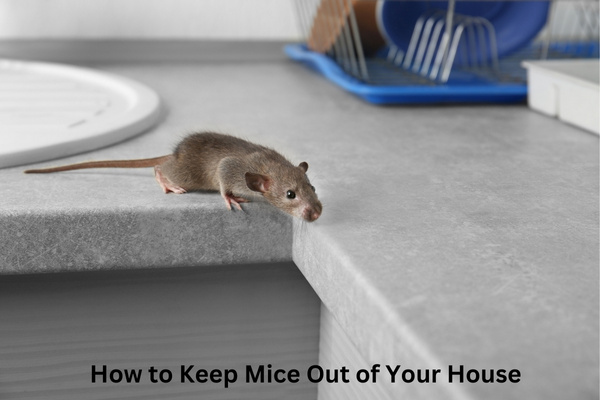
Set up a few traps and bait stations indoors to keep them out year-round. Live traps are a humane and poison-free way to catch and release mice and will alert you when you see mice entering your home.
The best live traps are chamber-type devices with a spring-loaded door that closes when a rat enters in search of food. Avoid inhumane sticky trap designs, as rats have been known to chew their feet to get rid of the sticky substance. Acquaire to How to Keep Mice Out of Your House, how to keep mice out of your house home remedies, how to keep mice out of your house at night?
If you have no qualms about killing rats, traditional spring traps are a good choice; they usually kill rats quickly and without much pain to the animal.
10. Adopt a Pet Predator
A pet that likes to hunt prey, even an owl that nests outside your yard, can be great rodent control. But since pet food is always present in a home with pets, rats may find a good food source in your home.
However, a young, aggressive cat or dog breed, such as a terrier with a reputation for hunting small animals, can often catch rats before they start housebreaking and building nests for breeding.
When to Call a Professional
If you try some methods but can’t seem to keep mice away, you might need a pest control expert to get rid of them and keep them out. The pros have other methods, like heavy-duty poison or baits.
If you have pets at home, consider calling an expert to get control of a mouse or rat problem in the house. Since rats are bigger creatures, they tend to be more aggressive than mice and harder to kill. Pest control experts are better equipped to eliminate rats. Study About how to keep mice out of your house at night, how to keep mice out of your house naturally, how to keep mice out of house in winter, how to keep mice out of your house home remedies?
FAQ
What do mice hate most?
The strong scent of peppermint is overwhelming to mice. Similarly, essential oils such as eucalyptus oil, bergamot oil, clove oil, and cinnamon oil are potent in keeping mice at bay.
Will spraying vinegar keep mice away?
Yes, spraying vinegar can help keep mice away. The sharp smell of vinegar is unpleasant for mice and can deter them from entering your home.
What are mice afraid of?
Loud Noises. Mice associate loud, unexpected noises with danger. If your home is full of loud sounds, mice may be scared off. However, rodents have good memories and grow used to noises over time, so there is no sound that is guaranteed to deter mice.
What do Epsom salts do to mice?
But Epsom salt isn’t just good for humans! It can also be used to repel rodents due to its acrid smell. Sprinkling Epsom salt onto your trash can lid or around areas where rodents are known to burrow creates a protective boundary that can keep them away.
What is the number one killer to mice?
Generally, the most effective rodent poisons are single-dose poisons such as bromethalin, zinc phosphide or brodifacoum. They contain a highly lethal dose of these poisons to ensure that the mice that consumed it will die within a matter of hours.